Strahan
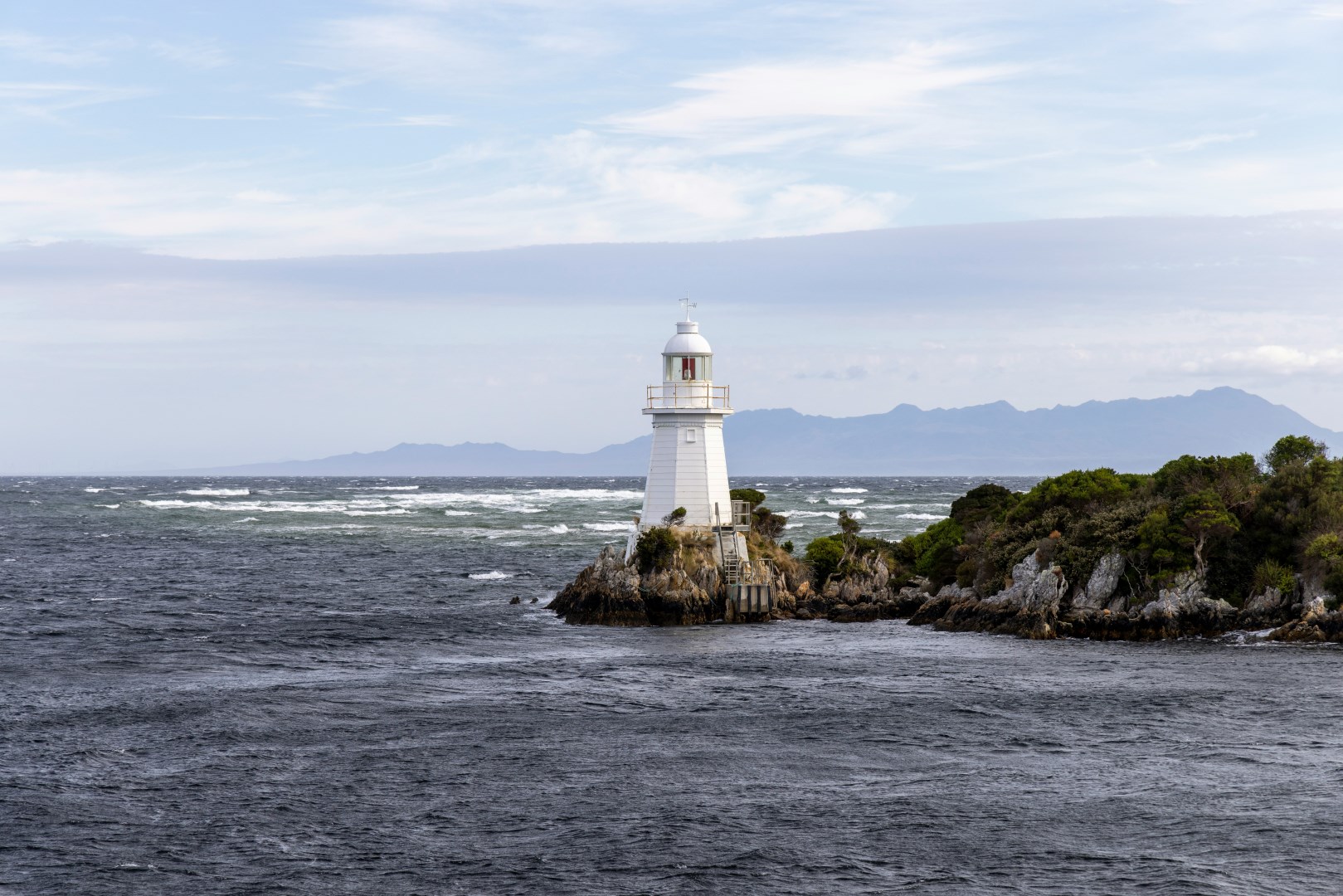
Set on the edge of a vast harbor on Tasmania’s wild west coast, Strahan feels like a place shaped by both sea and story. Once a busy port serving nearby mining settlements, it still carries echoes of ships, timber yards, and hardworking crews who relied on the sheltered waters of Macquarie Harbour. Today, that same harbor is the starting point for journeys into remote landscapes, with boats gliding toward places that were once feared as much as they were relied upon.
Kittilä
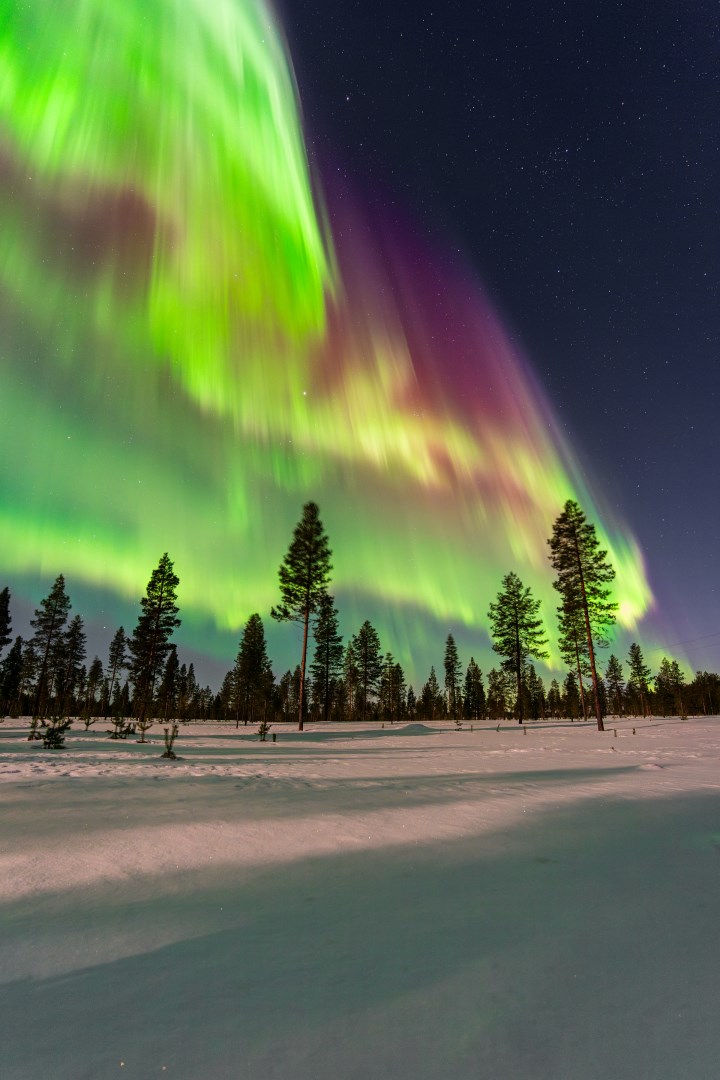
Kittilä is a municipality in Finnish Lapland, extending across a broad area of forests, rivers, wetlands, and open fells north of the Arctic Circle. The municipal center lies along the Ounasjoki River, while smaller villages and settlements are scattered through the surrounding wilderness. Kittilä is closely associated with Levi, one of Finland’s best-known fell resorts, but the municipality extends well beyond the resort area into quieter rural landscapes.

Mâcon
Mâcon is a riverside town in the Saône et Loire department of southern Burgundy, set where the Saône River curves gently through the countryside. Walking through the town naturally leads visitors from the riverfront toward its historic streets, where the past seems to linger in every corner. In the heart of Mâcon’s historic district, pedestrians find streets lined with notable sites.
Béziers
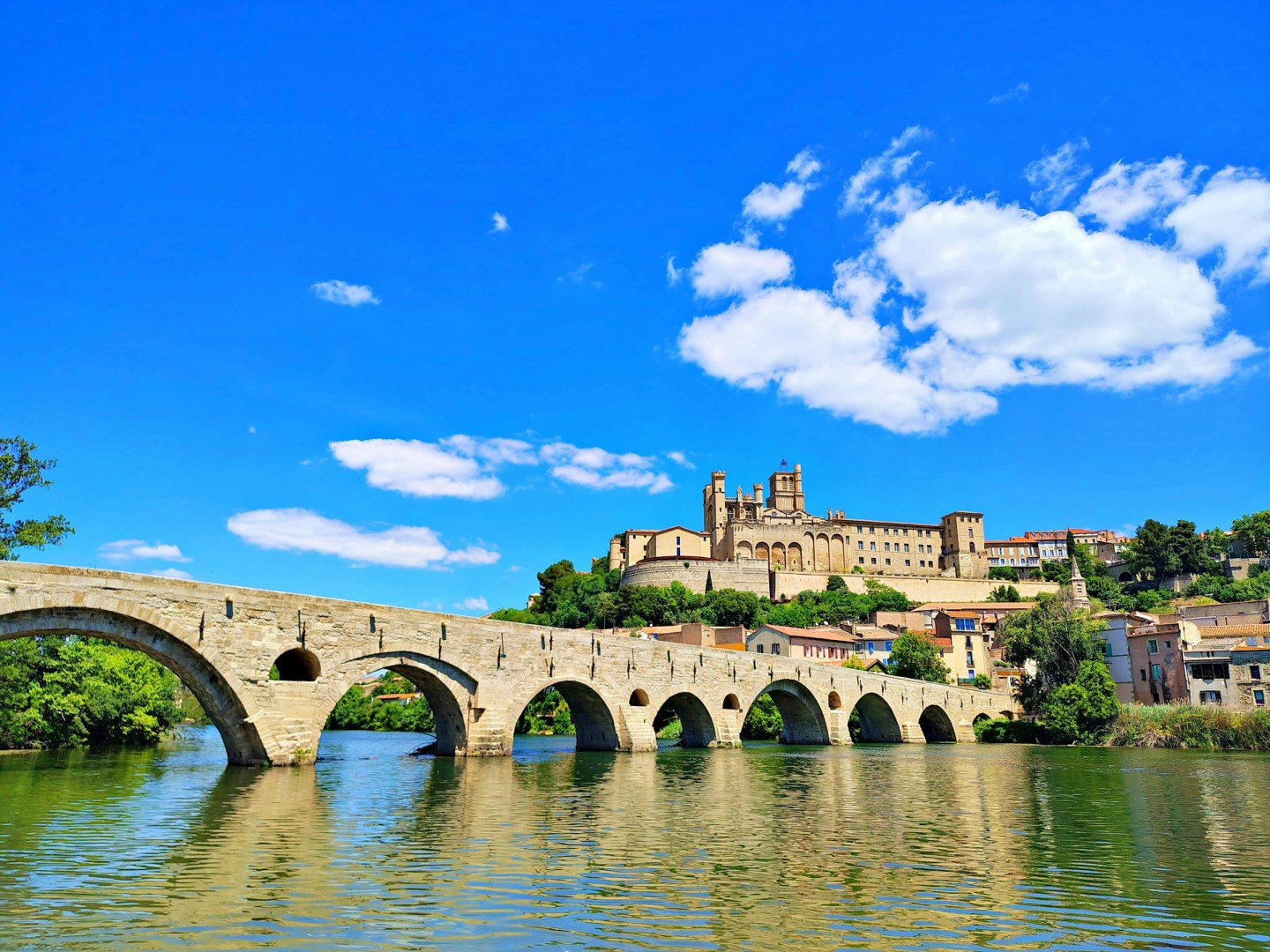
Beziers today is a dynamic city whose oldest houses are laid out in the elliptical pattern revealing the underlying Roman Amphitheatre, which is currently being excavated. The Beziers townspeople are passionate about rugby and the bullfights held in their modern arena.
Sabi Sand Nature Reserve
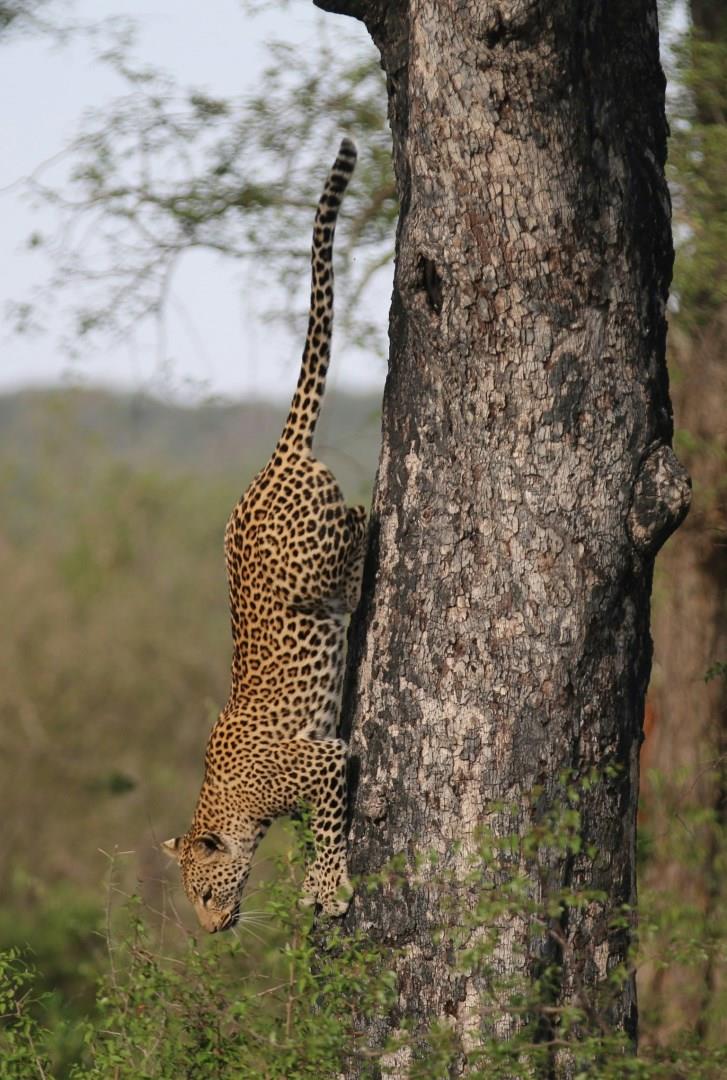
Sabi Sands Nature Reserve, located in South Africa’s Mpumalanga province, is one of the country’s most renowned private game reserves. Sharing an unfenced boundary with the Kruger National Park, it offers visitors a chance to see Africa’s iconic wildlife in an environment that feels both wild and exclusive. The reserve is particularly famous for its sightings of the Big Five (lion, leopard, elephant, buffalo, and rhino) often spotted during guided game drives at dawn and dusk.