Rønne
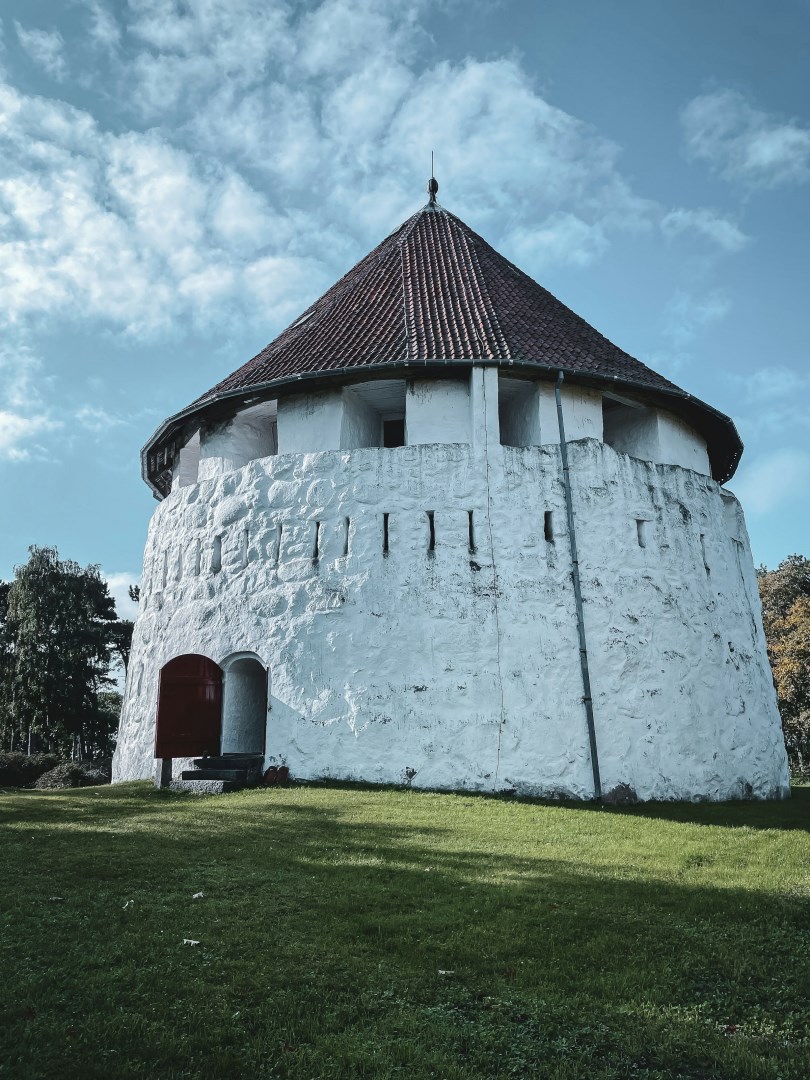
Rønne is the largest town on the Danish island of Bornholm, located on the island’s western coast along the Baltic Sea. Its historic center combines narrow streets, low timber-framed houses, and small squares with a working harbor that remains important to local transport and fishing. The town is also a practical starting point for exploring Bornholm, with roads and cycle routes connecting it to the island’s forests, cliffs, beaches, and villages.
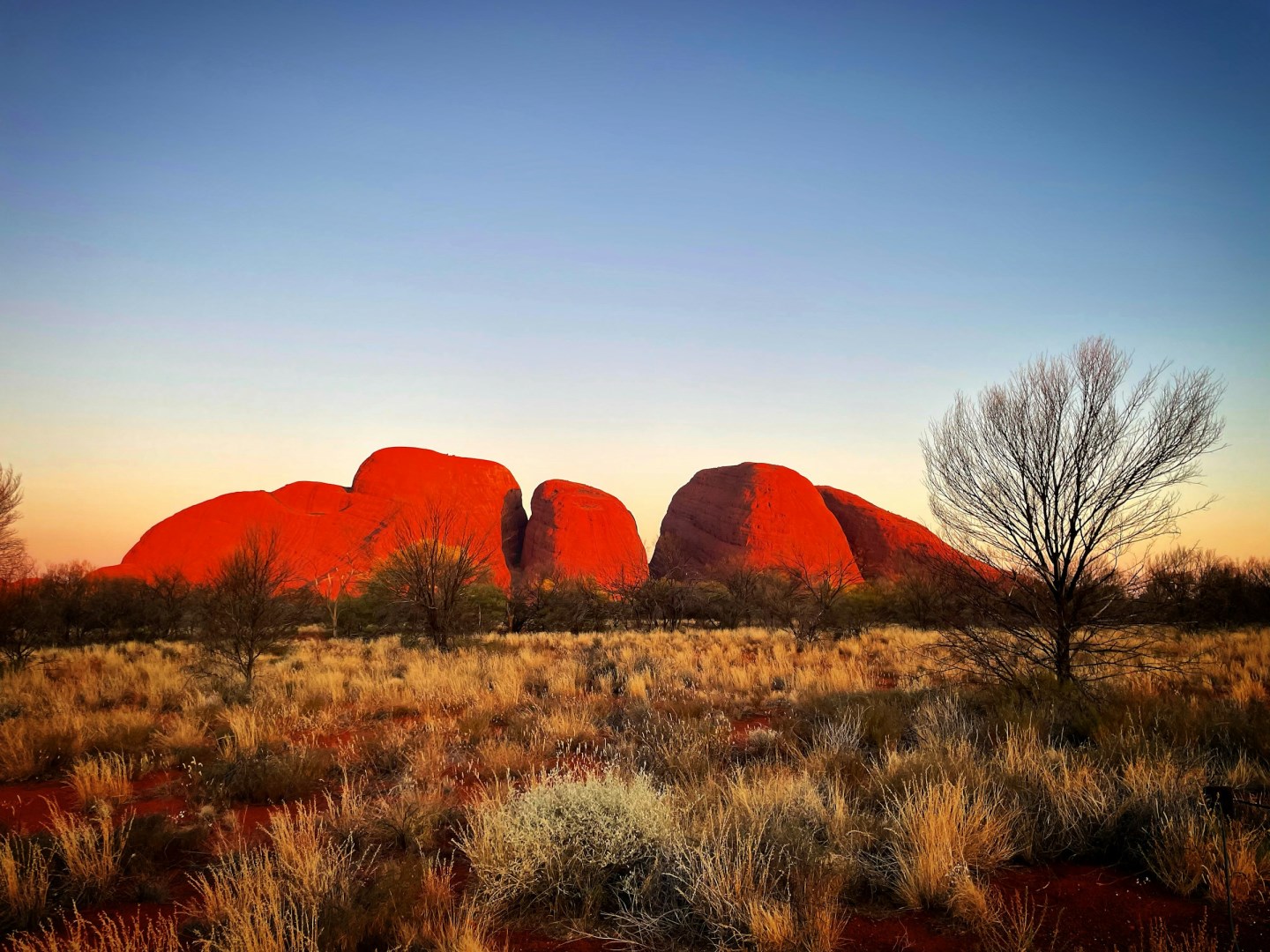
Kata Tjuta
Kata Tjuṯa is a group of large rock domes in the Red Centre of Australia, within Uluṟu-Kata Tjuṯa National Park in the Northern Territory. Located about 40 kilometres west of Uluṟu, the formation rises prominently from the surrounding desert plain and consists of 36 domes spread across a broad area. Its name means “many heads” in the local Aṉangu languages.
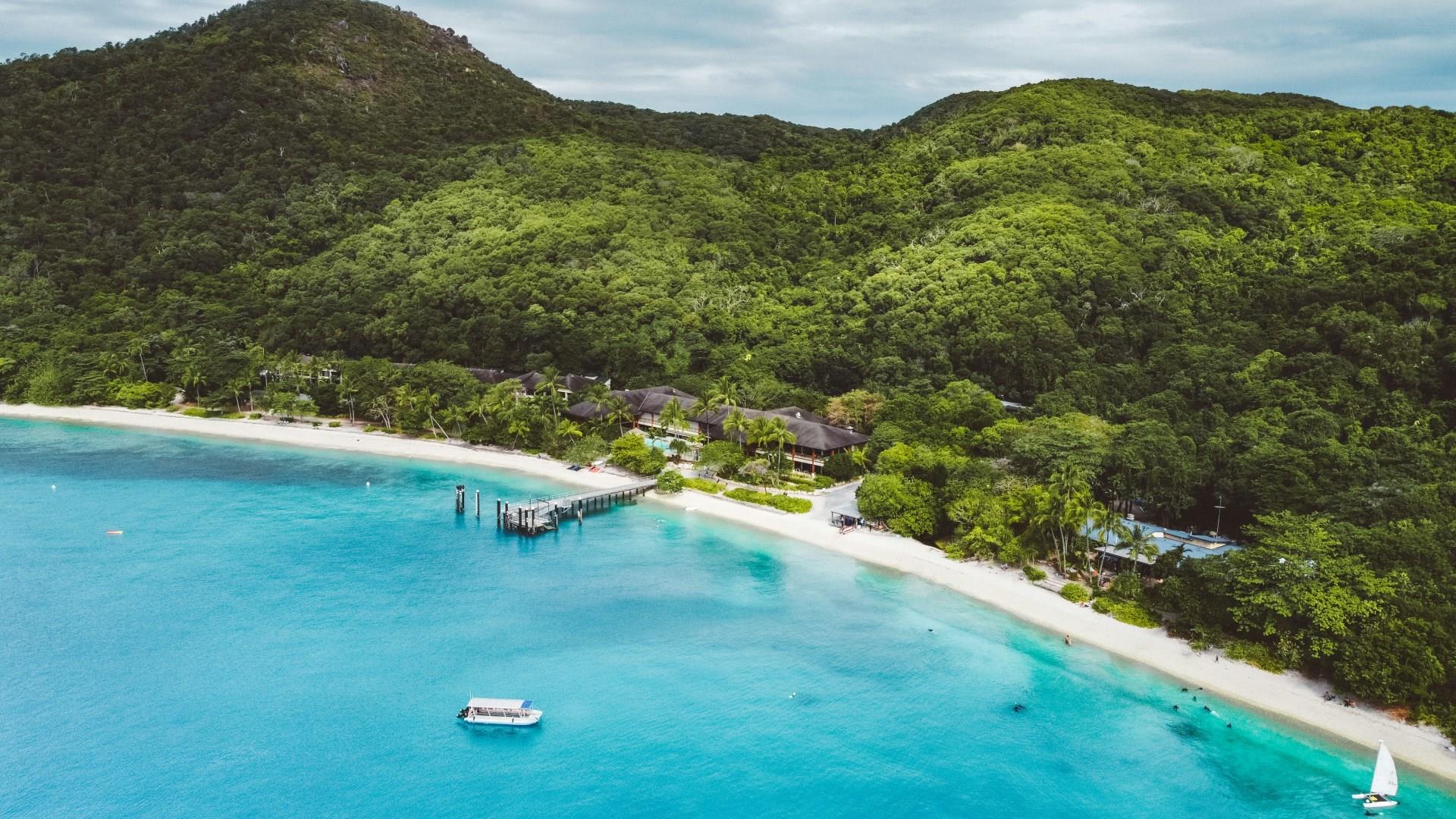
Fitzroy Island
Fitzroy Island sits off the coast from Cairns in Queensland, Australia, rising from the Coral Sea with rainforest and beaches that draw visitors year-round. A short, scenic ferry ride from Cairns’ marlin marina brings visitors to this tropical island, part of the Fitzroy Island National Park where rainforest meets reef.

Canary Islands
The Canary Islands, a Spanish archipelago off the northwest coast of Africa, offer far more than just sunshine and beaches. Made up of eight main islands, each with its own personality, the Canaries are a place where lunar landscapes, cloud forests, volcanic peaks, and historic towns coexist within short travel distances. On Tenerife, Mount Teide looms over a landscape of solidified lava and craters that look like a science fiction set.
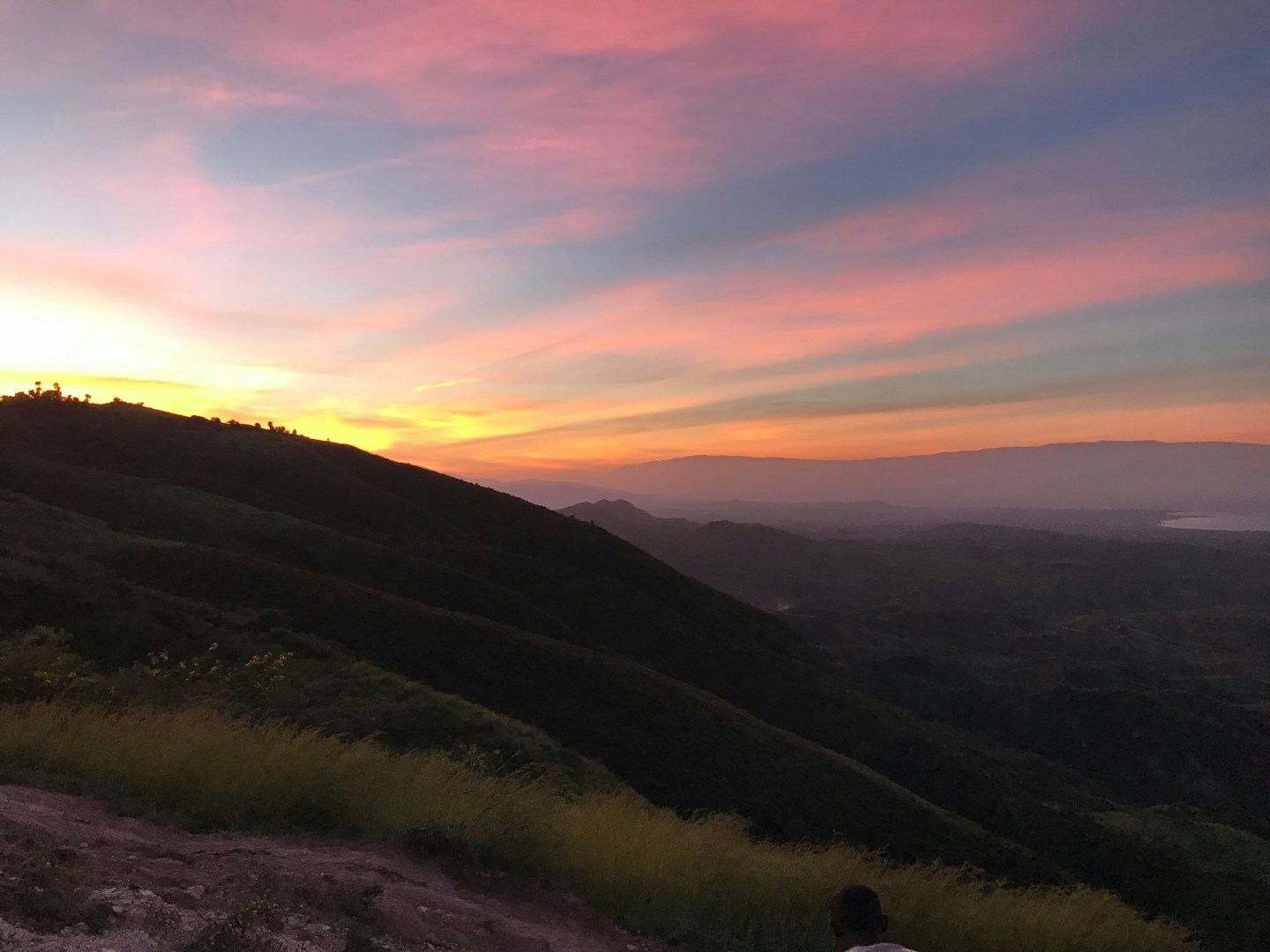
Port-au-Prince
Port-au-Prince in Southwest Haiti is the capital. The country's largest city, commercial center, and chief seaport, it is laid out like an amphitheater around a bay. Founded in 1749 by French sugar planters, it became the colonial capital in 1770, replacing Cap-Haïtien.