

Port Elizabeth
Port Elizabeth, set along the beautiful shores of Algoa Bay, is located on the south eastern coast of Africa, and is a major tourist destination better known as the Friendly City! The city offers the best mix of eco-attractions as a holiday destination with a rich diversity: scenic nature trails and wildlife experiences, long golden beaches, historic heritage and a unique coastal climate.

San Francisco
San Francisco offers something for everyone. Whether it's exploring world-famous landmarks, discovering hidden gems in its neighborhoods, or enjoying the coastal breeze by the bay, this vibrant city promises a memorable experience for all who visit.

Naxos
Located in Greece's Lesser Cyclades, Naxos is an island in the South Aegean Sea and popular for its spectacular beaches. A favorite tourist destination, Naxos is home to a variety of ancient ruins, including the Temple of Apollo - Grotta, the Temple of Demeter, and Apano Kastro.
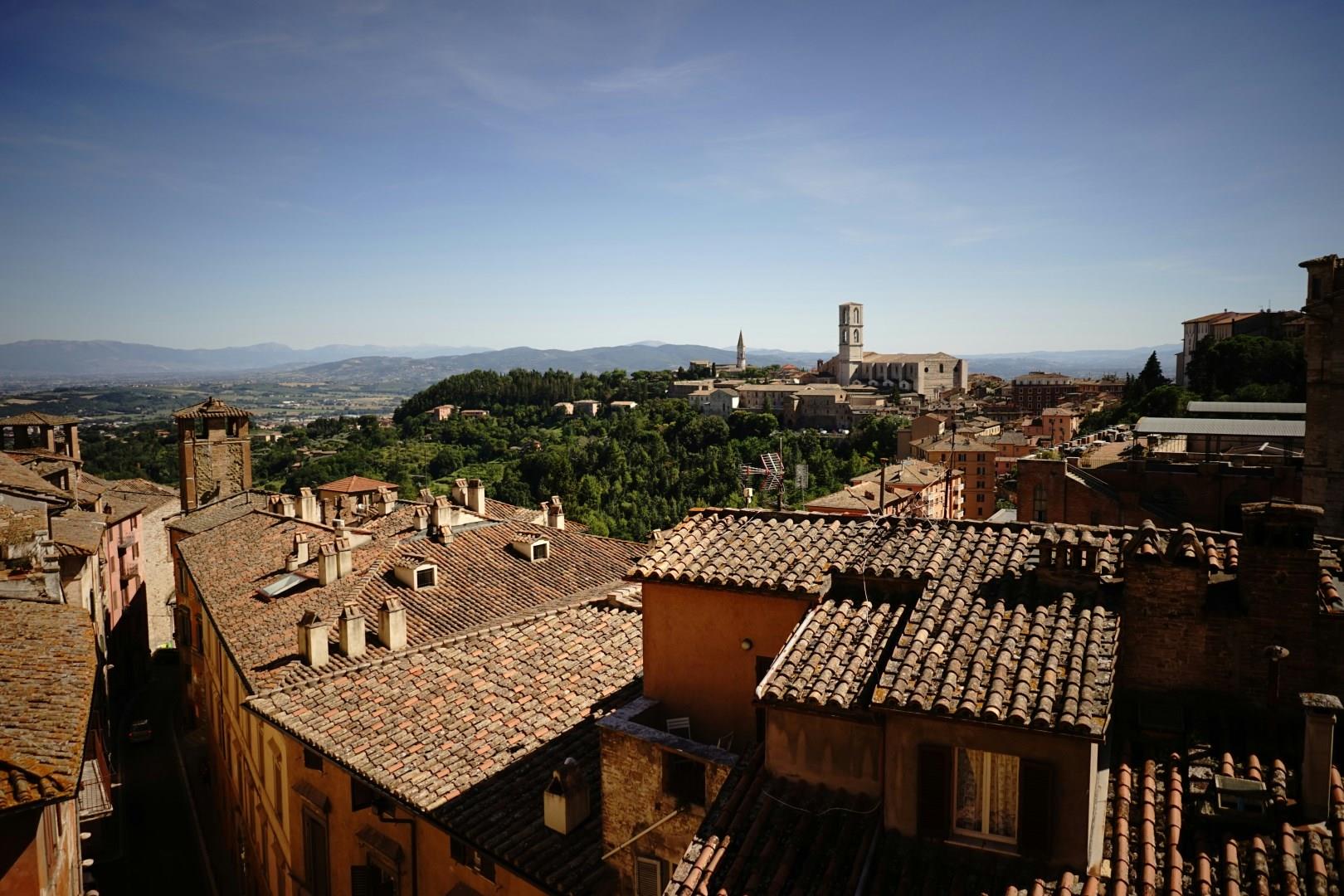
Perugia
Perugia, the capital of Italy’s Umbria region, is a city built across hills and centuries. Originally settled by the Etruscans more than 2,500 years ago, it still holds remnants of their civilization, including one of the largest surviving Etruscan arches in Italy named Arco Etrusco, which greets visitors at the city’s entrance. Walking through the narrow streets of the historic center reveals layers of Roman, medieval, and Renaissance architecture, all woven together within ancient stone walls.

Hubbard Glacier
A moving sight...literally. Hubbard Glacier's recent nickname "the galloping glacier" refers to its rapid movement through Disenchantment Bay in the direction of the Gulf of Alaska. This tidewater glacier is a natural wonder over 6 miles wide! Those on ships are usually able to get within about a half mile of Hubbard Glacier's face.


