
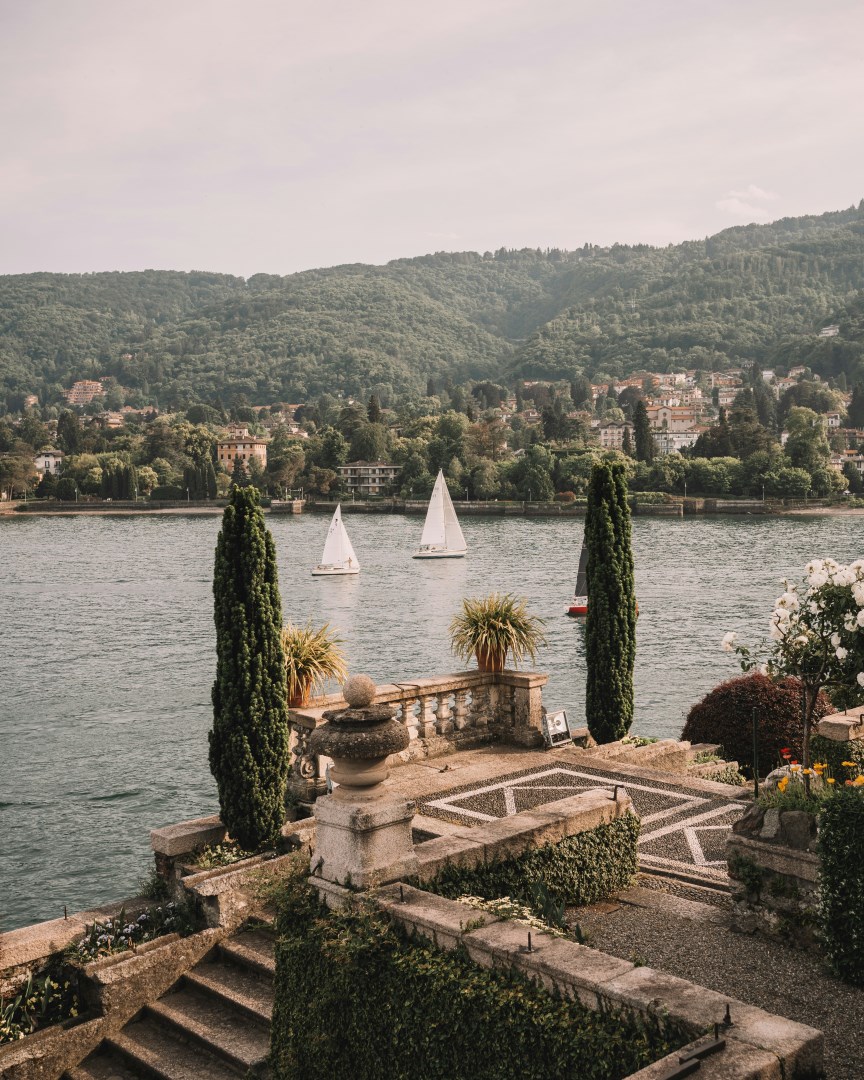
Stresa
Set along the western shore of Lake Maggiore, Stresa is one of northern Italy’s most graceful lakeside towns. Its elegant promenade, framed by grandhotels and views of the Borromean Islands, has attracted travelers since the 19th century, from European nobility to writers like Ernest Hemingway.

Matera
Matera, one of Italy's most enchanting cities, is a living testament to human resilience and creativity. Nestled in the southern region of Basilicata, Matera is renowned for its ancient cave dwellings, known as the Sassi. These prehistoric stone houses, carved directly into the limestone rock, date back thousands of years, making Matera one of the world's oldest continuously inhabited cities.
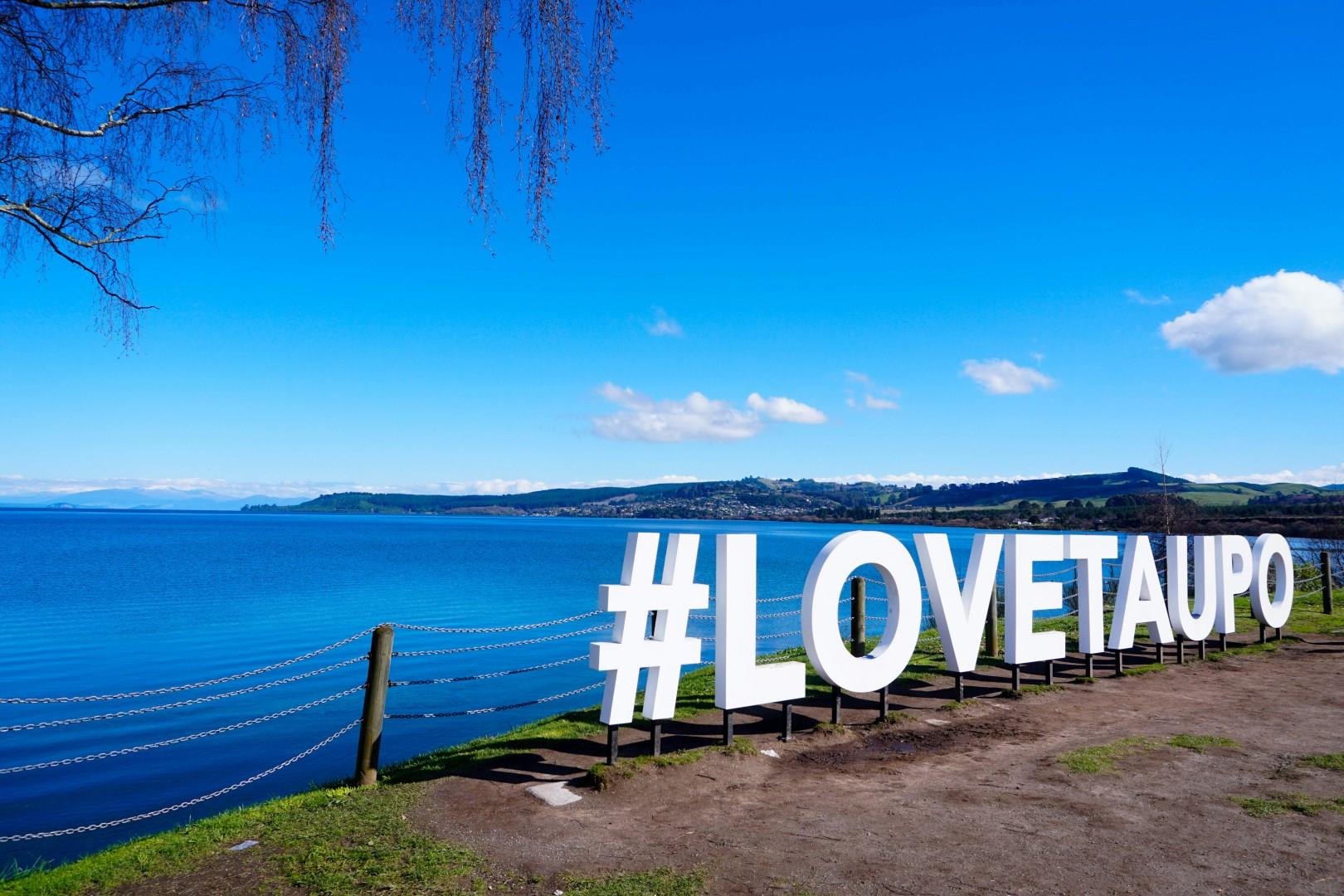
Taupo
Taupō, located in the heart of New Zealand’s North Island, is built along the shores of Lake Taupō, which is the largest freshwater lake in Australasia, formed nearly two thousand years ago by a massive volcanic eruption. That eruption was so powerful, it was recorded in ancient Chinese and Roman texts, even though it occurred halfway across the world. Today, the lake is calm, clear, and central to life in the region, offering everything from trout fishing to kayaking and lakeside cycling.

Vis
Vis, a charming island city in Croatia's Dalmatian region, offers a serene retreat with its blend of historical allure and natural beauty. Known for its historical significance, Vis boasts remnants of its Greek and Roman past, including the well-preserved fortifications and ancient ruins. The city itself is a captivating blend of Venetian and Austro-Hungarian architecture, with quaint streets and lovely waterfronts that invite leisurely exploration.
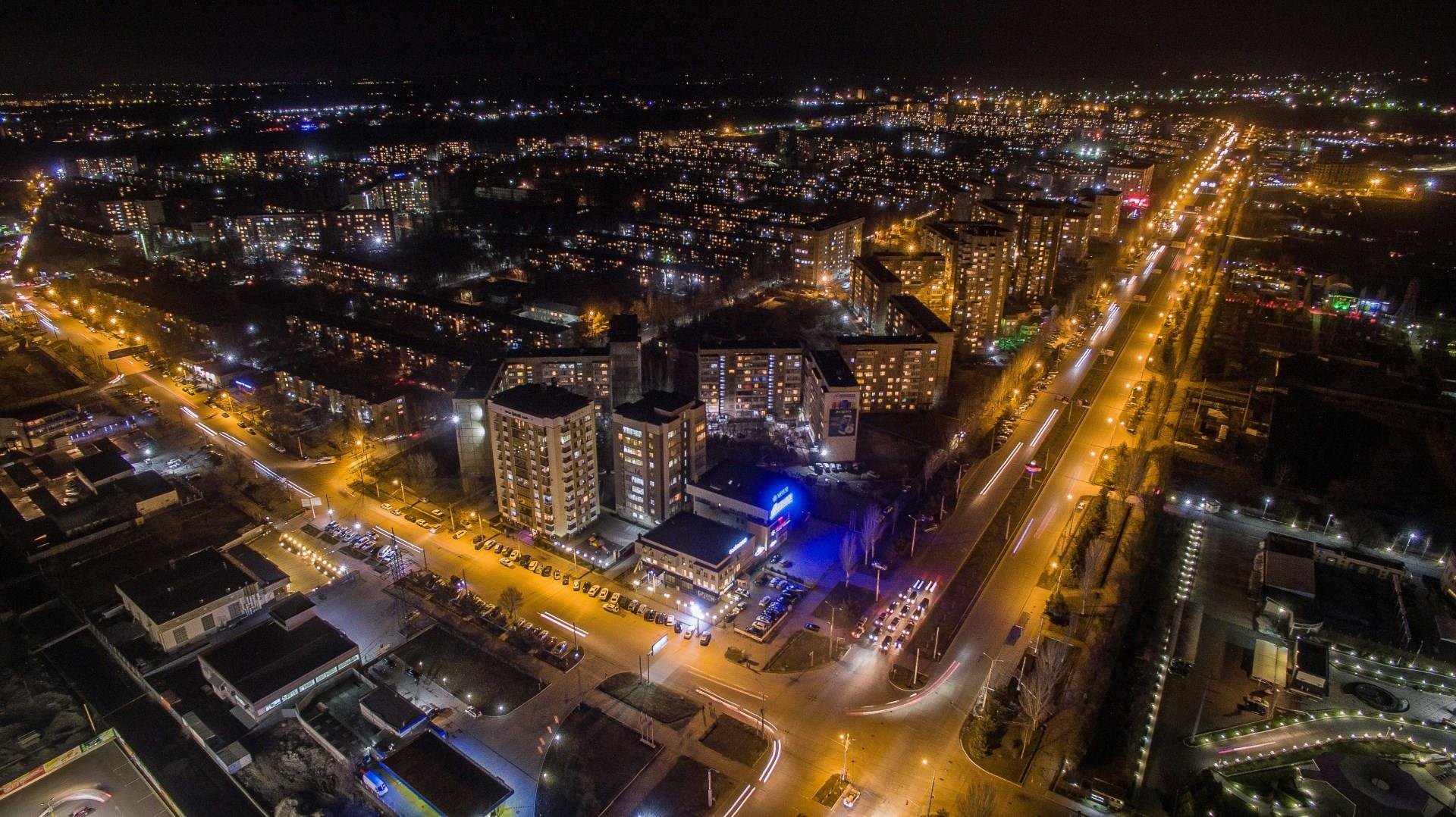
Bishkek
Bishkek, the capital of Kyrgyzstan, sits at the foot of the Ala-Too Mountains and serves as the country’s political, cultural, and economic center. The city is known for its wide tree-lined streets, Soviet-era architecture, and public squares.


