

Tauranga
Tauranga, New Zealand, lies southeast of Auckland and is an adventure-lover's paradise. Originally settled by the Māori peoples, this vibrant city is a popular destination for hiking, kayaking, biking, golfing, and everything active. Hike up Mount Maunganui for stunning panoramic views of the city below, then hit nearby Mount Maunganui Beach to soak up the sun or play in the sand.
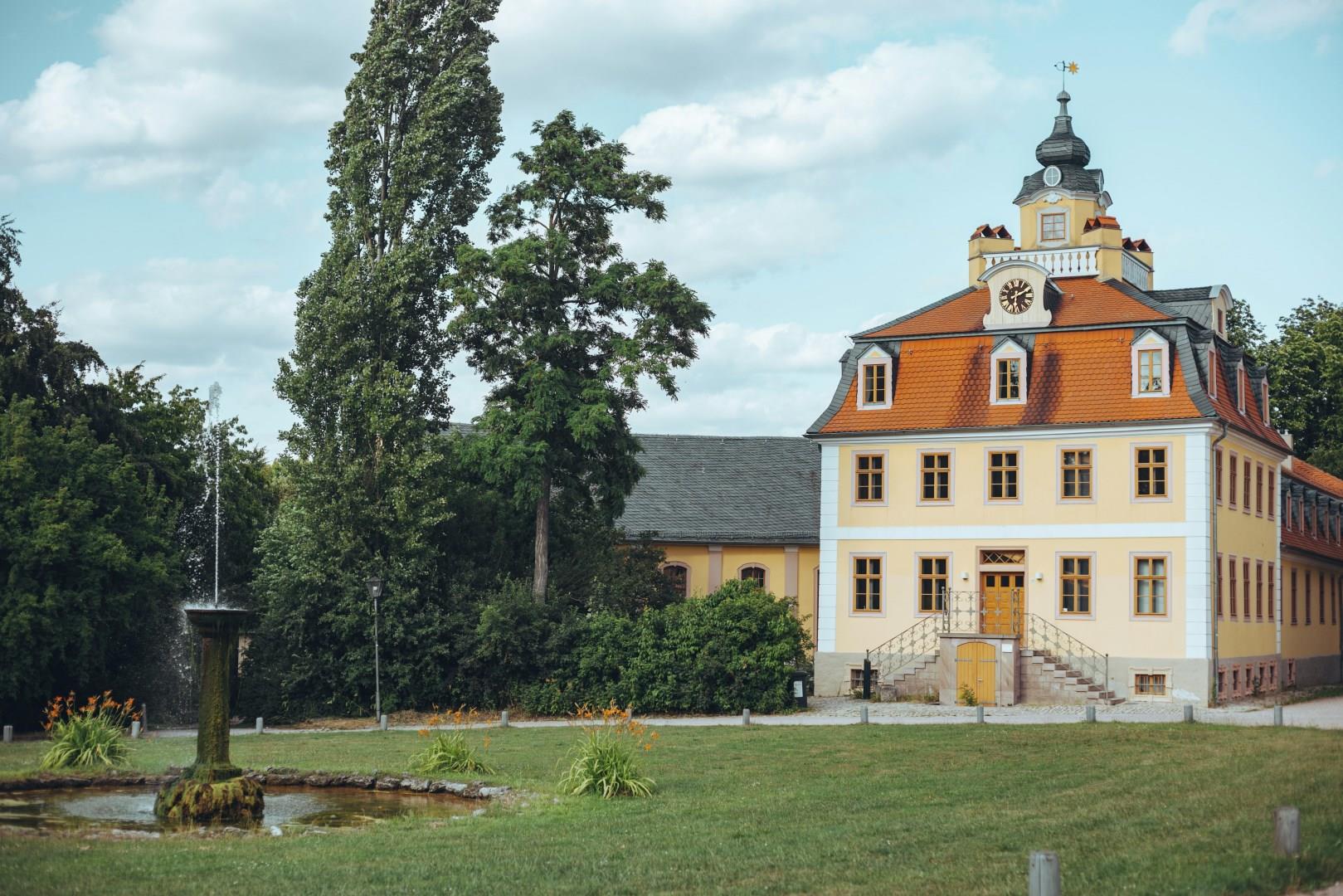
Weimar
Weimar, located in the heart of Germany’s Thuringia region, is a city renowned for its cultural heritage, classical architecture, and pivotal role in European history.

France
France offers far more than its capital city. While Paris draws millions each year, the country’s true richness lies in its variety, from Alpine villages to Atlantic coastlines, medieval towns to Mediterranean markets. In Normandy, visitors can walk along the D-Day beaches or explore the towering abbey of Mont-Saint-Michel, which becomes an island at high tide. Further inland, the Loire Valley is dotted with over 300 castles, many of which are open for tours and even overnight stays.
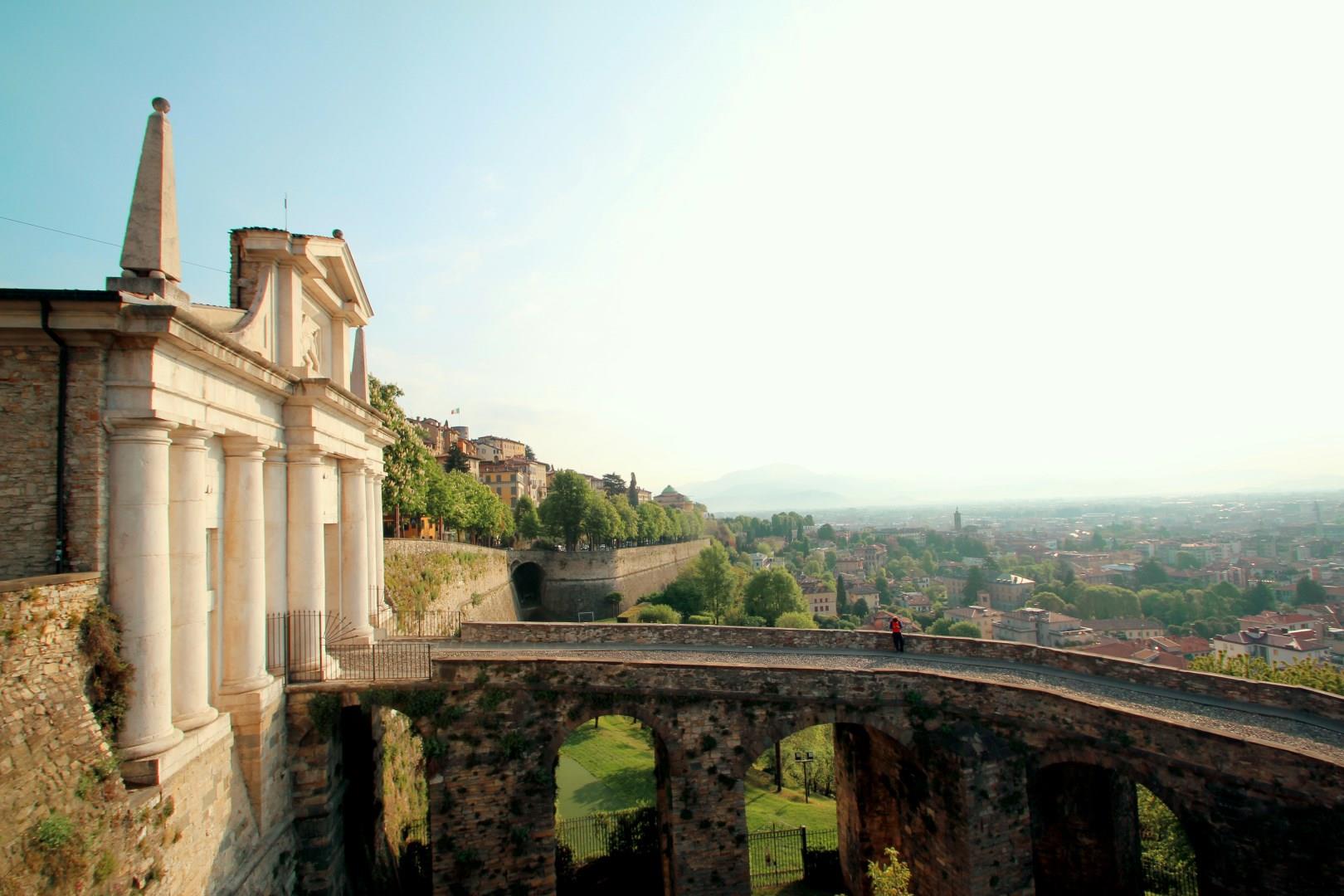
Bergamo
Bergamo, in northern Italy’s Lombardy region, is a city of striking contrasts, divided into the historic upper town and the modern lower town. The upper town, perched on a hill and encircled by Venetian walls, offers cobblestone streets, medieval architecture, and panoramic views over the surrounding plains and the distant Alps.

Skagway
This small yet charming city in Alaska's panhandle is a throwback to the gold rush era. Skagway is a well-preserved part of Klondike Gold Rush National Historical Park.


