
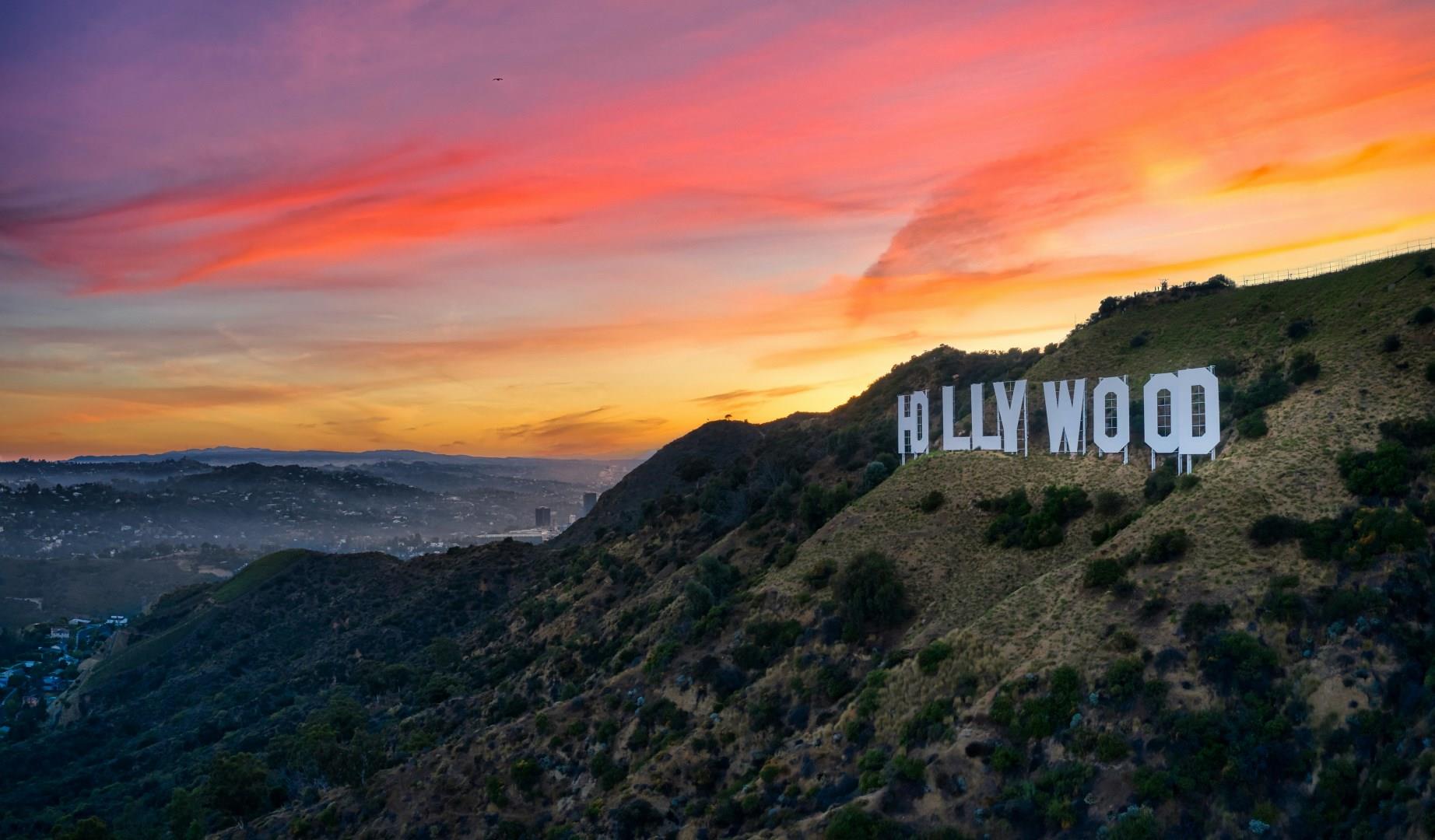
Hollywood
Hollywood, California is the quintessential destination for fans of cinema and entertainment, offering a dynamic blend of iconic landmarks and vibrant culture. This district of Los Angeles is home to the famous Hollywood Walk of Fame, where over 2,600 brass stars commemorate the biggest names in film, television, and music. Stroll along Hollywood Boulevard and snap a photo with the legendary TCL Chinese Theatre, renowned for its handprints and footprints of cinema's greatest stars.

Québec City
Visit picturesque Quebec City, situated on the mighty St. Lawrence River, and become instantly mesmerized by this historic jewel in Canada’s French province. Replete with striking landmarks and stunning architecture, Quebec City is perfect for sight-seeing and deserves ample time for exploration.
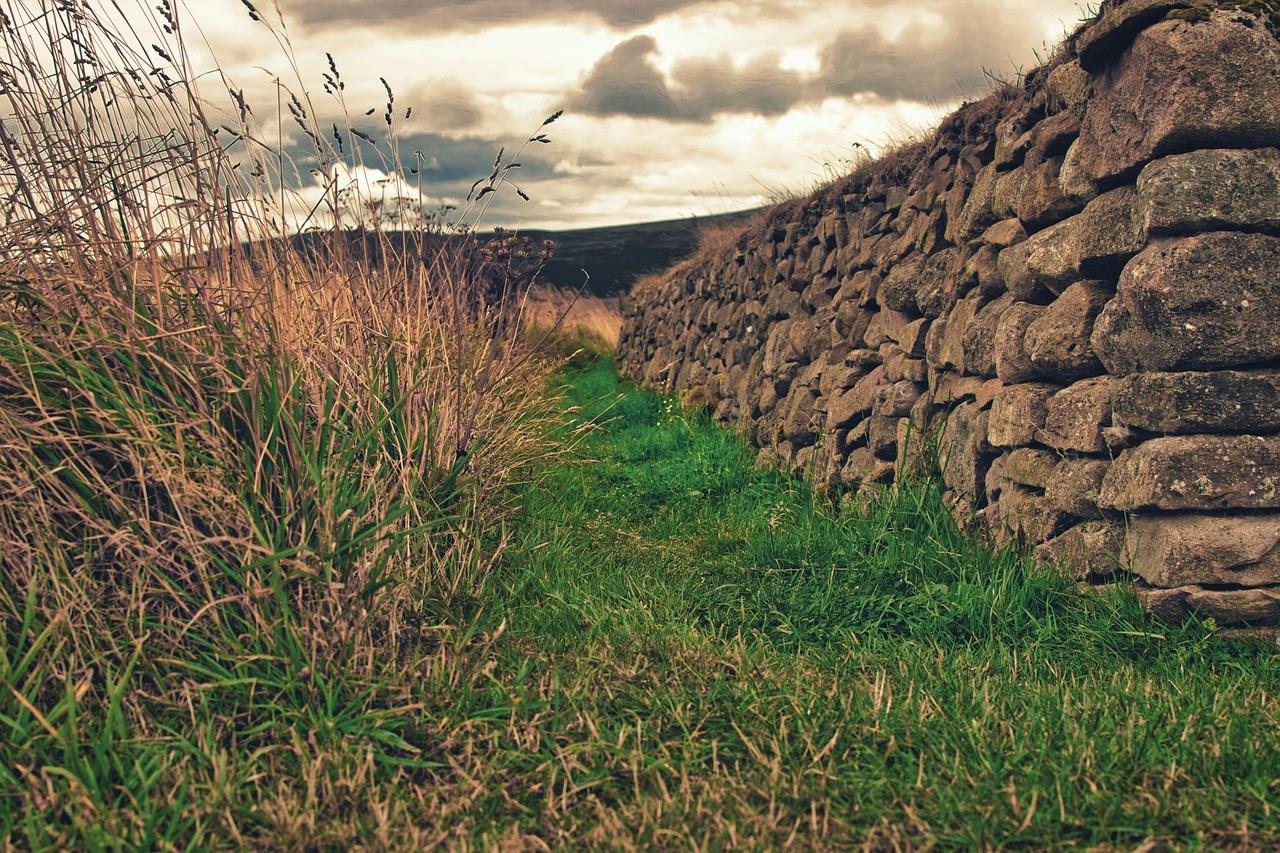
Culloden
Culloden, located just outside Inverness in the Scottish Highlands, is the site of one of the most significant and sobering moments in Scotland’s history. On April 16, 1746, the Battle of Culloden marked the violent end of the Jacobite uprising led by Charles Edward Stuart, better known as Bonnie Prince Charlie. In under an hour, the hopes of restoring the Stuart monarchy were crushed by government forces.

Houston
Houston, Texas, the fourth-largest city in the United States, is a vibrant metropolis brimming with culture, diversity, and innovation. A hub for arts, science, and cuisine, Houston is a place where Southern charm meets cosmopolitan flair. Beyond its cultural and scientific draws, Houston’s culinary scene is a melting pot of flavors. From food trucks to fine dining, the city is celebrated for its diverse offerings that reflect its multicultural population.

Oregon
Oregon invites travelers to experience landscapes and stories that shift dramatically from one region to the next. In the south, Crater Lake National Park holds the title of deepest lake in the U.S., formed inside the remains of an ancient volcano. With its intense blue color and dramatic cliffs, the lake draws visitors year-round for hiking, snowshoeing, or simply standing in awe.


