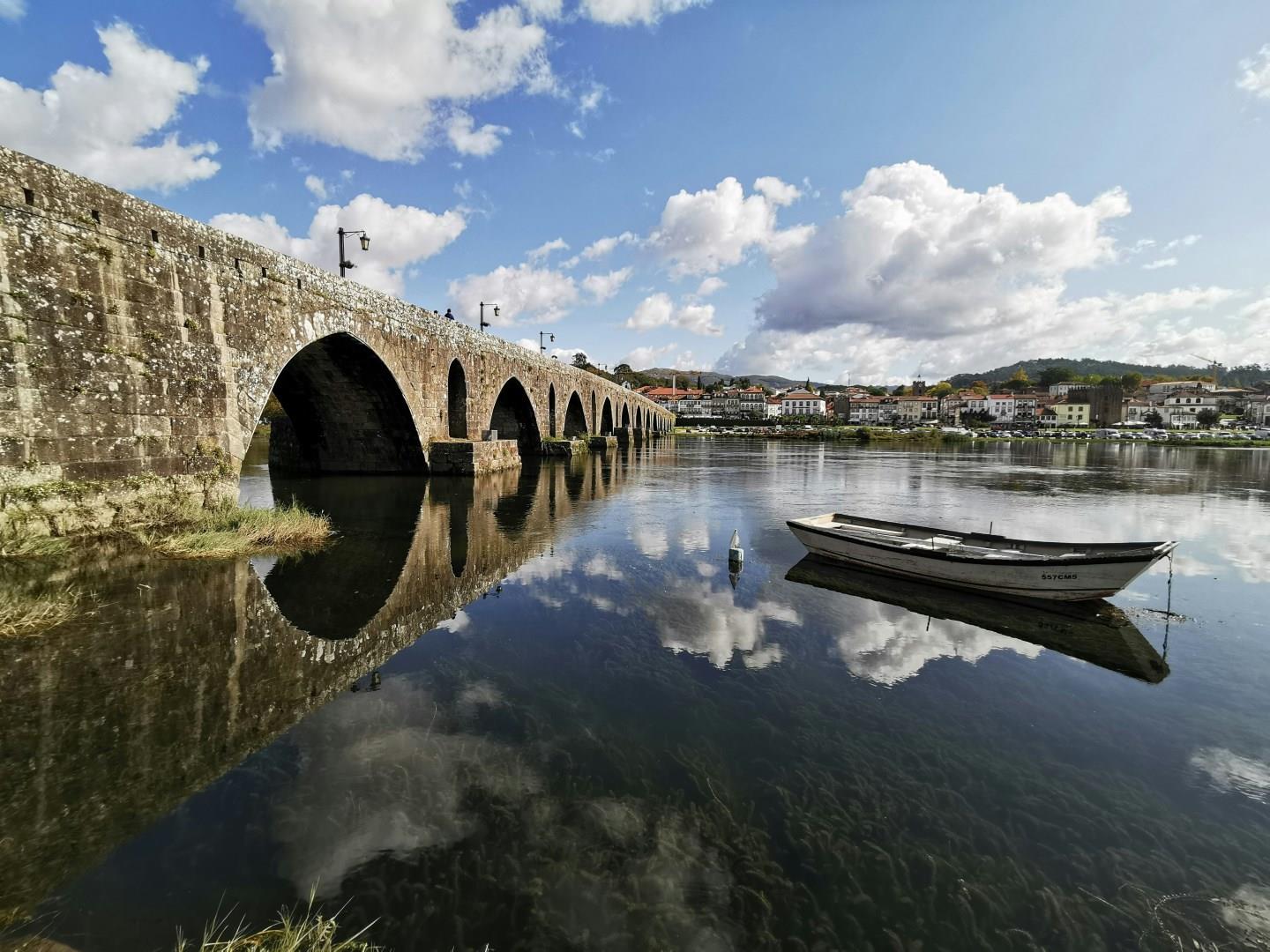
Ponte de Lima sits along the Lima River in northern Portugal and is often regarded as the country’s oldest town. Its identity centers on the medieval bridge that spans the river, parts of which date back to Roman times and still structure how the town is experienced today.
Nuku Hiva is the largest of the Marquesas Islands in French Polynesia, a place where scale and isolation shape both history and daily life. Long before European contact, the island supported complex Marquesan societies known for stone architecture, tattoo traditions, and ceremonial sites, many of which remain scattered across its valleys.
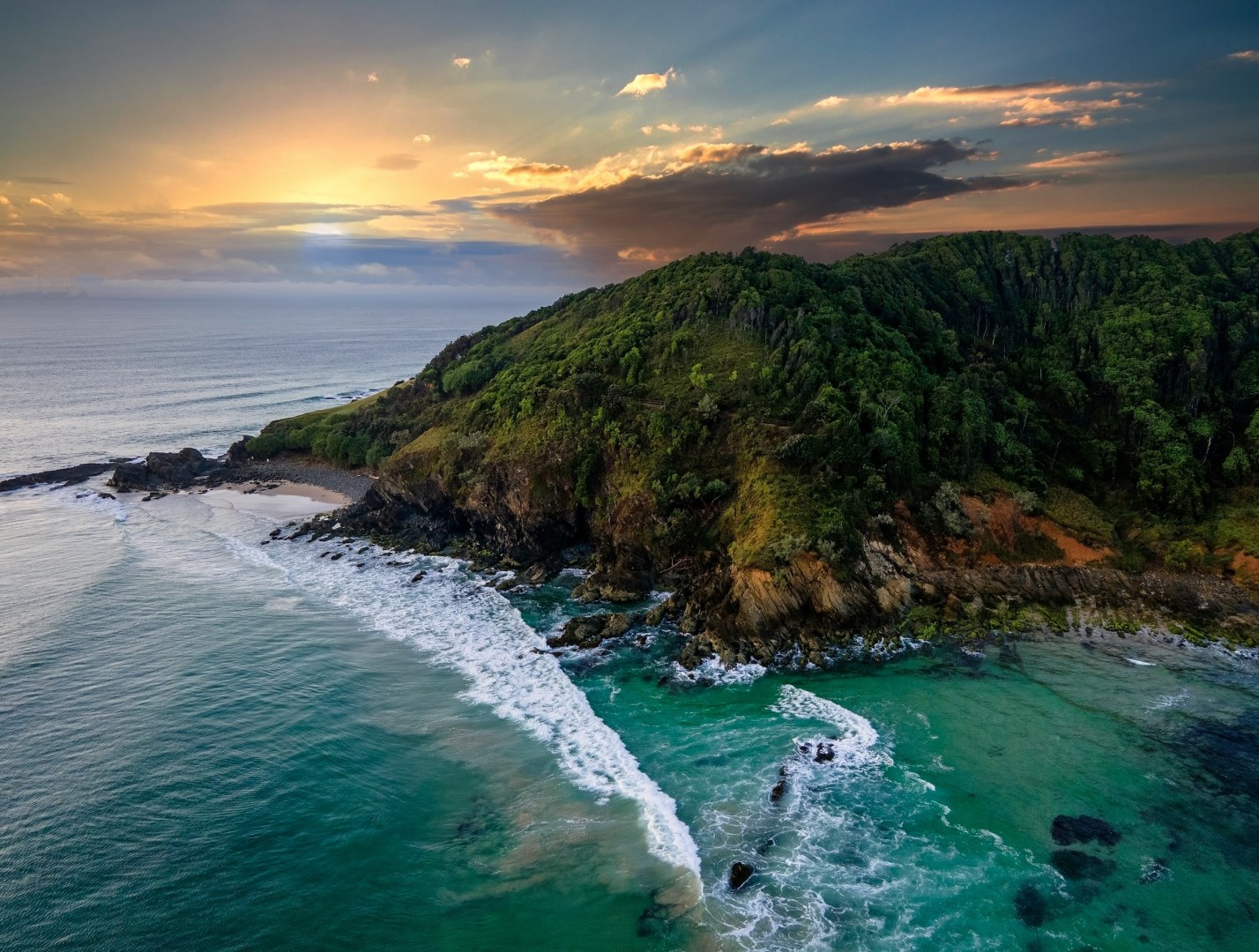
Byron Bay lies on the far north coast of New South Wales, Australia, where wide beaches meet the deep blue Pacific and the point of land known as Cape Byron marks the easternmost tip of the mainland. Standing tall above the coastline, the Cape Byron Lighthouse has guided ships since 1901 and now greets walkers and sightseers who take the scenic cliff-top path for views stretching toward whales during their migration season.
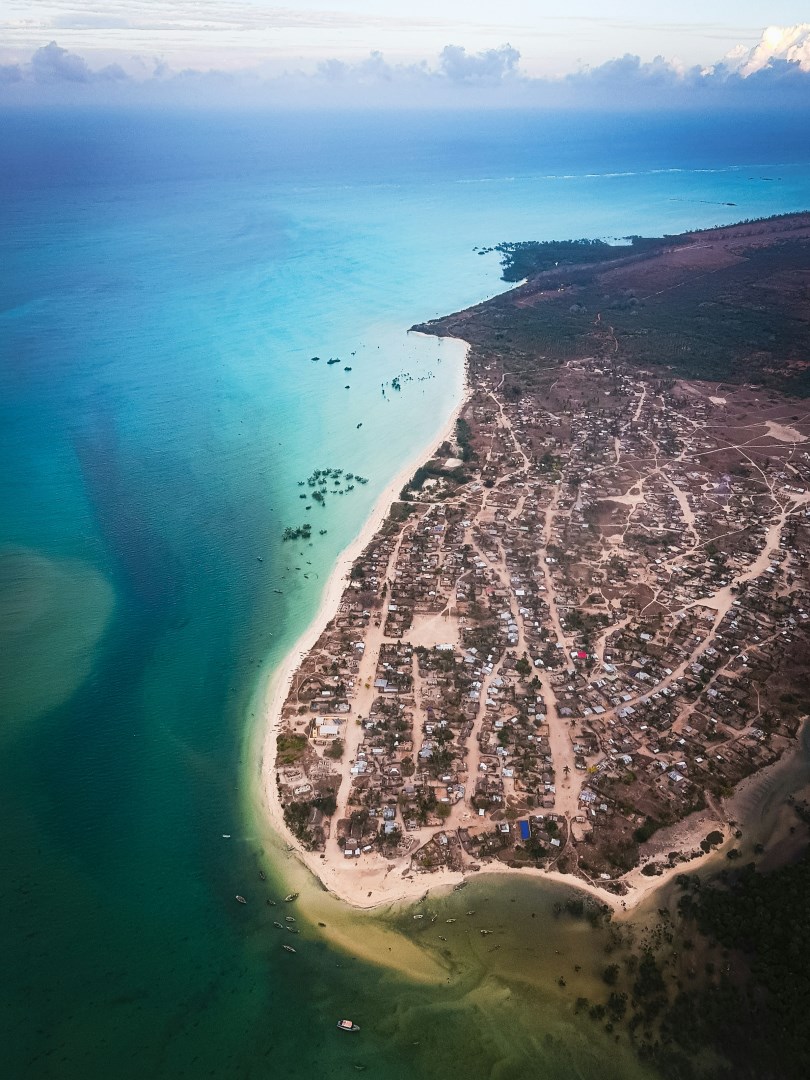
Arimba is a coastal village in Cabo Delgado Province in northern Mozambique, situated along the mainland shore near the Quirimbas Archipelago. Its setting combines sandy coastline, coral-rich waters, coconut palms, and low coastal vegetation. The village has traditionally been connected to fishing and small-scale coastal trade, while its position near the Quirimbas has linked it with maritime routes serving communities along northern Mozambique.

Wichita combines a substantial aviation industry with museums, historic districts, riverfront parks, and a diverse urban population, while the surrounding landscape remains largely agricultural.
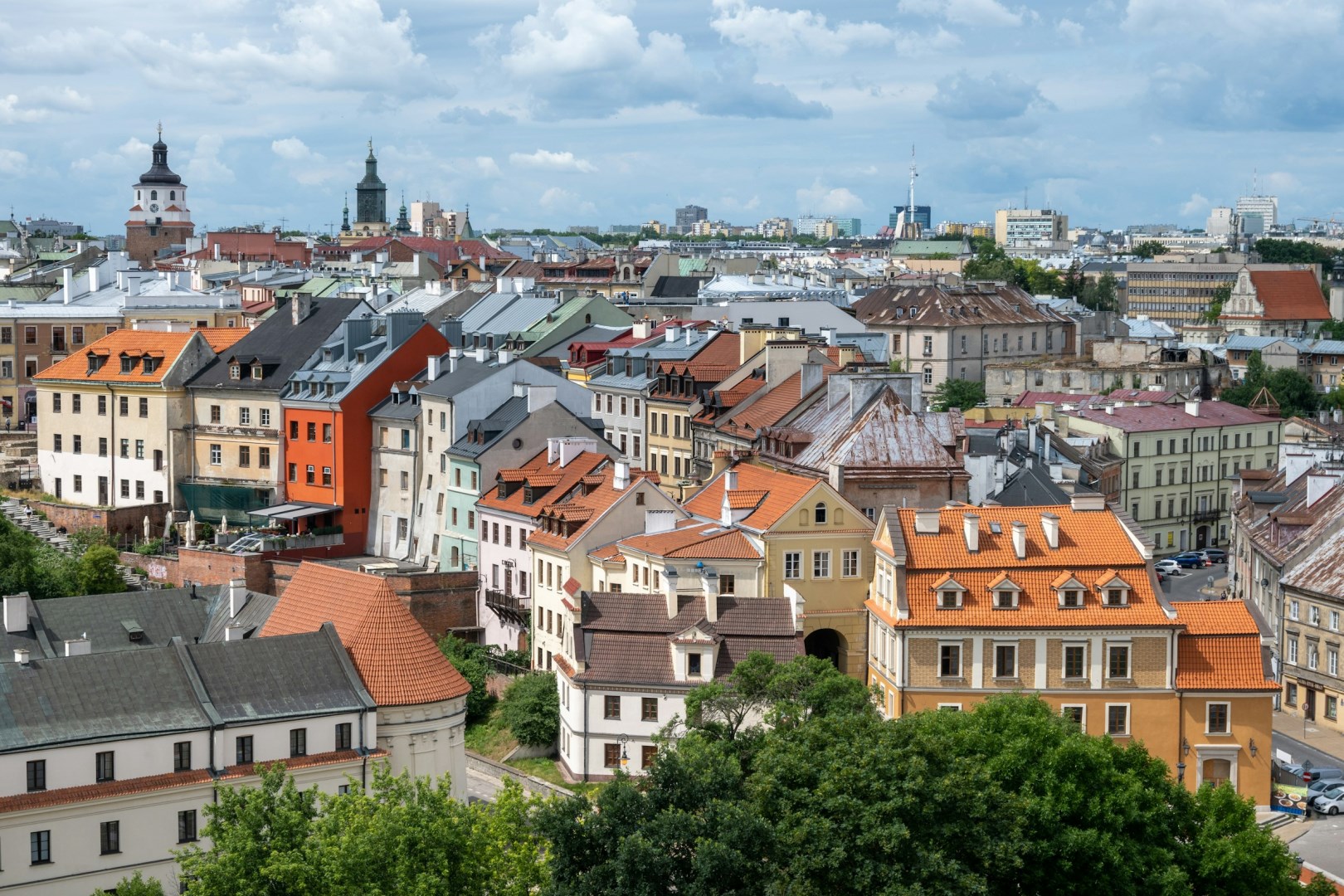
Photo Credit: Photo by Tomasz Zielonka on Unsplash
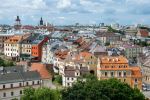
Located on a trade route to Lithuania and Russia, Lublin was already an important center by the time it received its municipal charter in 1317. The city still remains relatively unknown to foreign tourists. From the original defense walls and the Krakow Gate, the remnant of Lublin's medieval wall system to the town hall and the Renaissance burgher houses in the Market Square, Lublin offers numerous visual delights. The Dominican Church, with its exquisite Firlej Chapel, is a must-see for every visitor. The same stands true for the remains of the Gothic Royal Castle, with its late 14th century Holy Trinity Chapel housing one of the finest examples of medieval Byzantine-style polychromes in Europe.
Lublin is a renowned academic center with its Maria Curie-Sklodowska University and Academy of Medicine. Lublin Catholic University, where pope John Paul II once taught, was established in 1918 and operated continuously throughout the post-war era.
Areas outside of Lublin contain many points of interest as well. An ethnographic park offers a fascinaitng trip through time. Kazimierz Dolny is a picturesque town long favored by artists and writers, and Zamosc, a delightful Renaissance city, is a registered world class heritage location.
Other Popular Destinations in Poland
Kraków
Kraków lies in southern Poland along the Vistula River and serves as one of the country’s most recognized cultural centers. Its layout is shaped by a well-preserved historic core, with streets radiating from a large central square. The city retains a human scale, where daily life unfolds among historic buildings, universities, and markets. It stands apart for its continuity of urban life, where medieval structures coexist with modern institutions without dramatic contrast.
Wroclaw
Wrocław, a captivating gem in southwestern Poland, enchants visitors with its rich history, vibrant culture, and stunning architecture. The city’s picturesque Old Town is centered around the magnificent Market Square (Rynek), where colorful facades and historic buildings like the Gothic Wrocław Town Hall create a fairy-tale atmosphere.