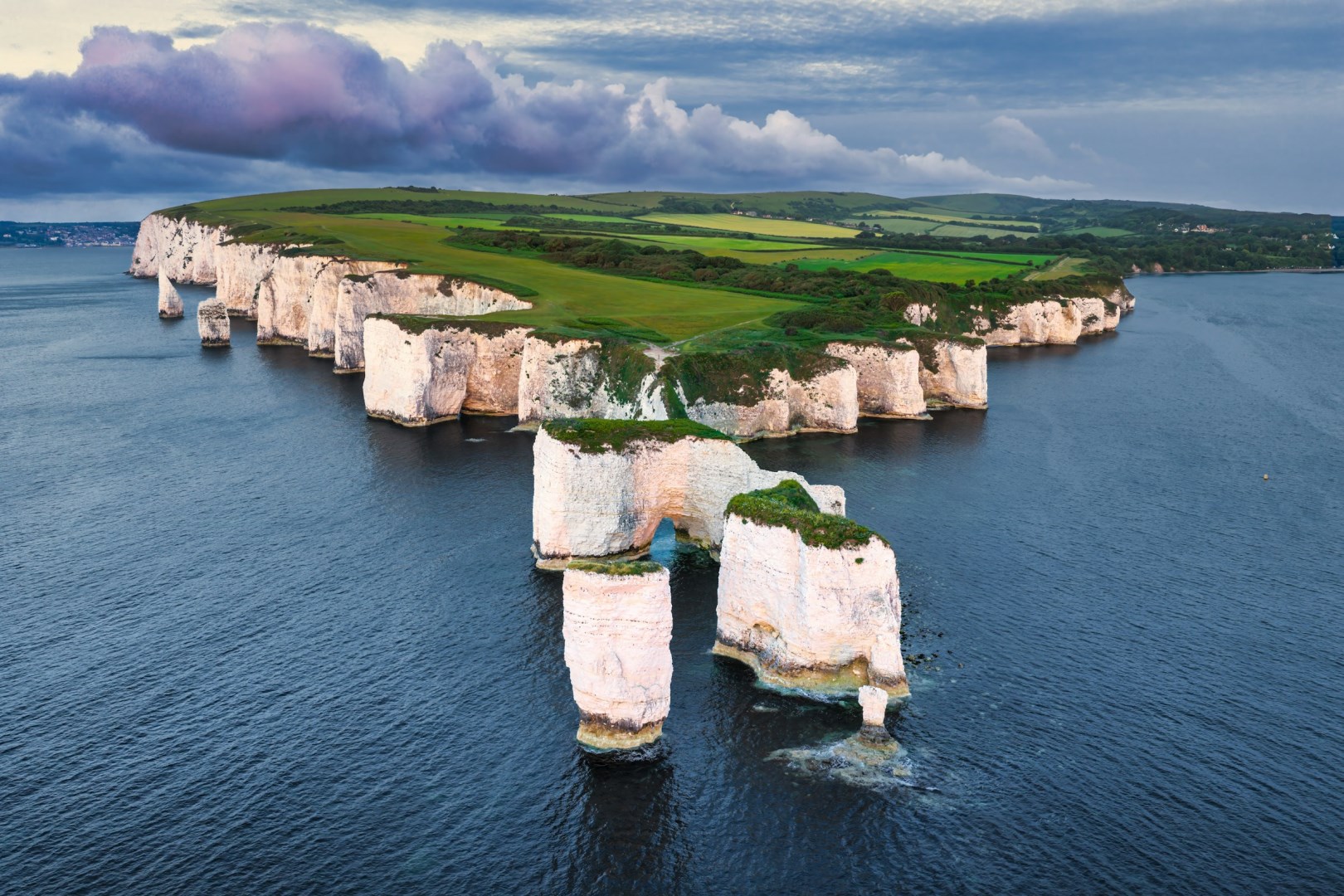
Jurassic Coast
The Jurassic Coast, a UNESCO World Heritage Site, is a breathtaking stretch of England’s southern coastline that spans 95 miles from Exmouth in Devon to Studland Bay in Dorset. It is renowned for its dramatic cliffs, stunning beaches, and incredible geological history, offering visitors the chance to explore 185 million years of Earth’s evolution.

Åndalsnes
Andalsnes is your starting point for a ride on the Trollstigvein (troll's path), a zig-zag drive up mountains and over waterfalls that's out of this world.

Tokyo
Shopping, historic temples, lush green spaces and exceptional dining are all part of Tokyo, the capital of Japan. This spectacular, highly populated metropolis holds unlimited options for tourists.
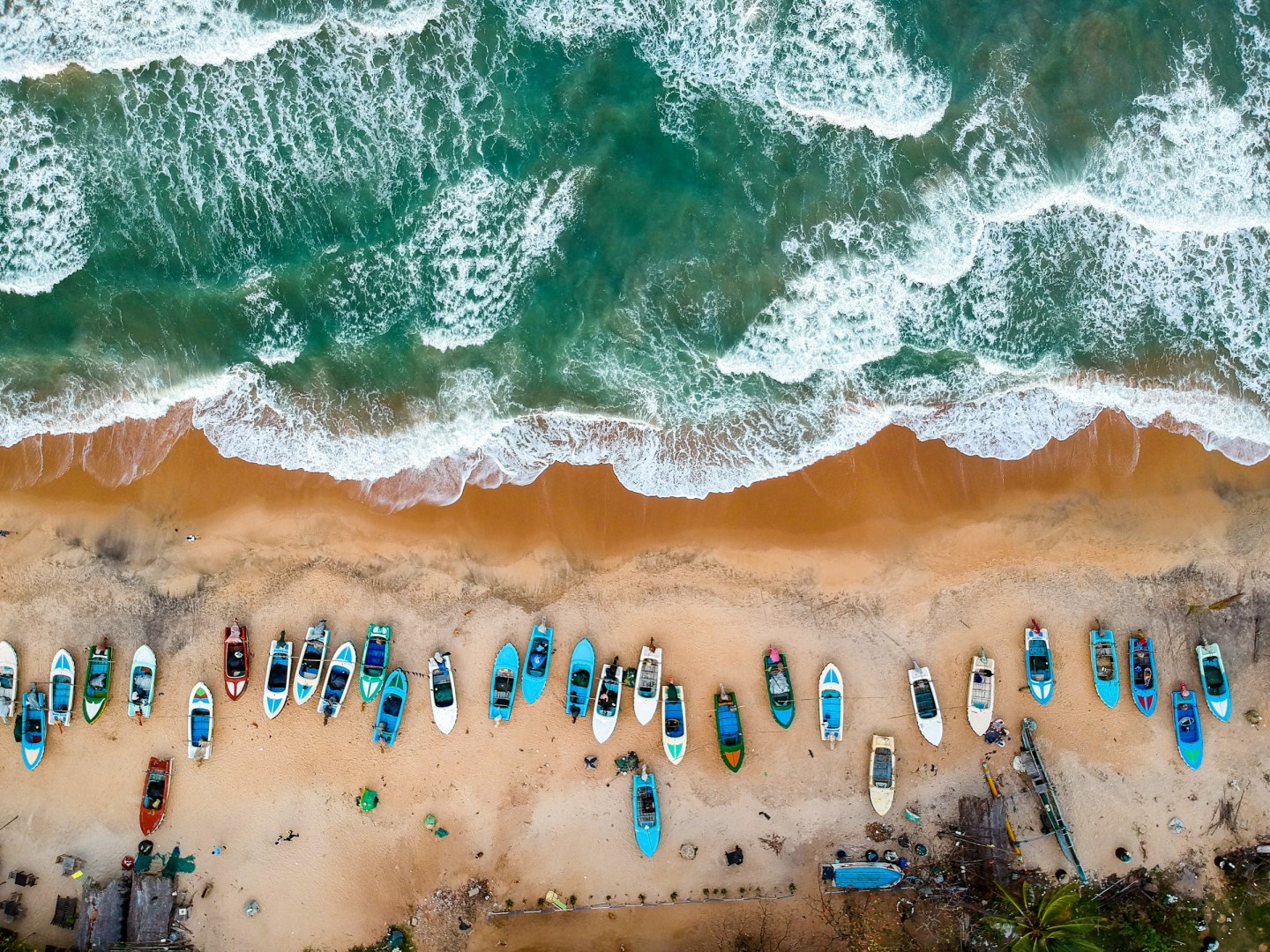
Arugam Bay Beach
Arugam Bay Beach is a coastal destination on Sri Lanka’s eastern shore, near the town of Pottuvil. Its wide sandy beach curves around a sheltered bay, with low vegetation, lagoons, and wetlands extending inland. Arugam Bay is best known for surfing, particularly for its long right-hand waves and the main break commonly called Main Point. The coastline has a more relaxed, low-rise character than many of Sri Lanka’s developed beach areas, with small hotels, cafés, surf schools, and guesthouses spr
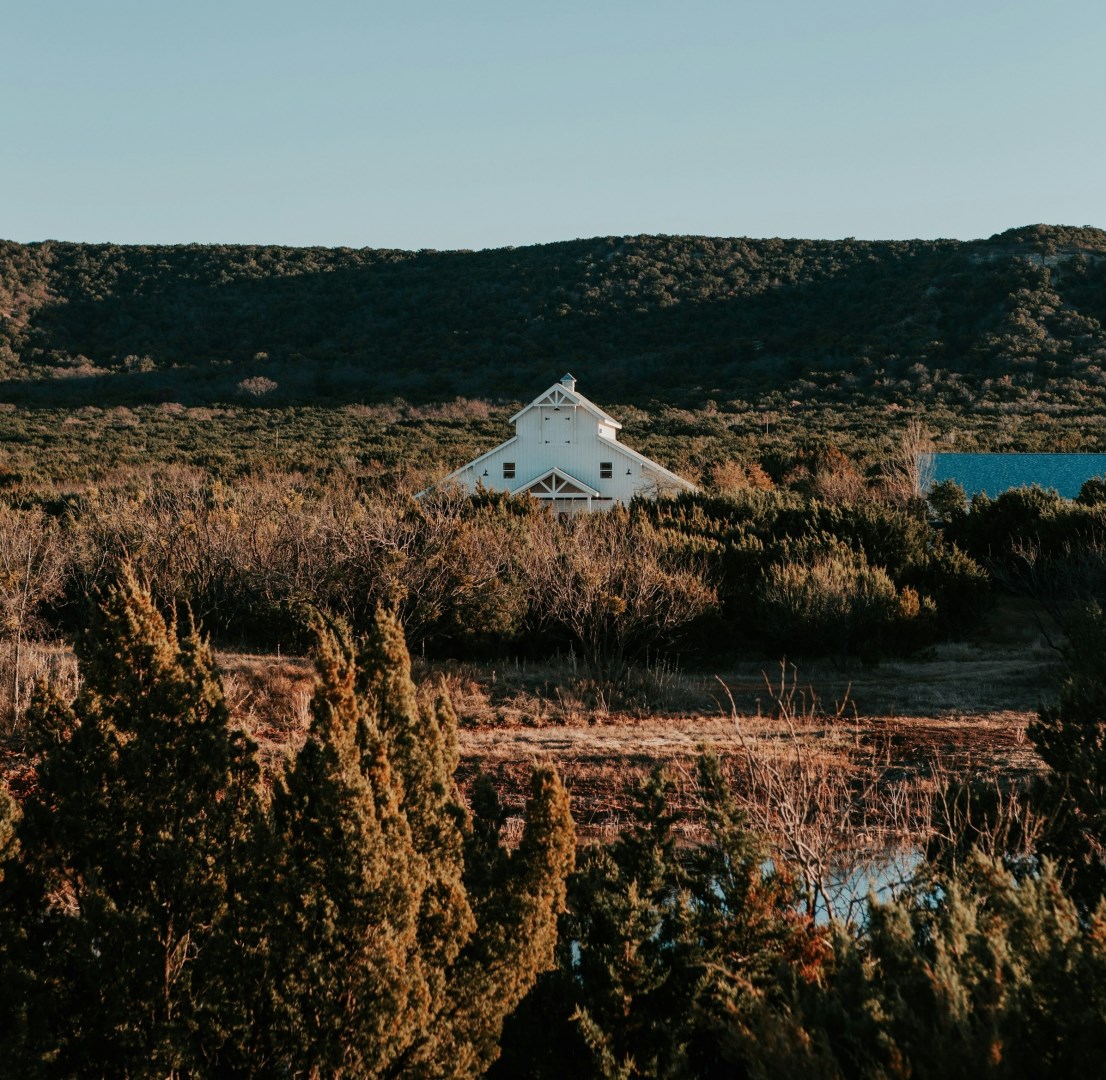
Abilene
Abilene is no-nonsense and traditional, but it's just as capable of having a good time as any rip-roaring cowpoke. When you're in Abilene, take time to see the Abilene Zoo, particularly the Texas Plains exhibit, a unique collection of species native to that part of the country (if you've never seen a javelina, here's your chance).