The Beagle Channel
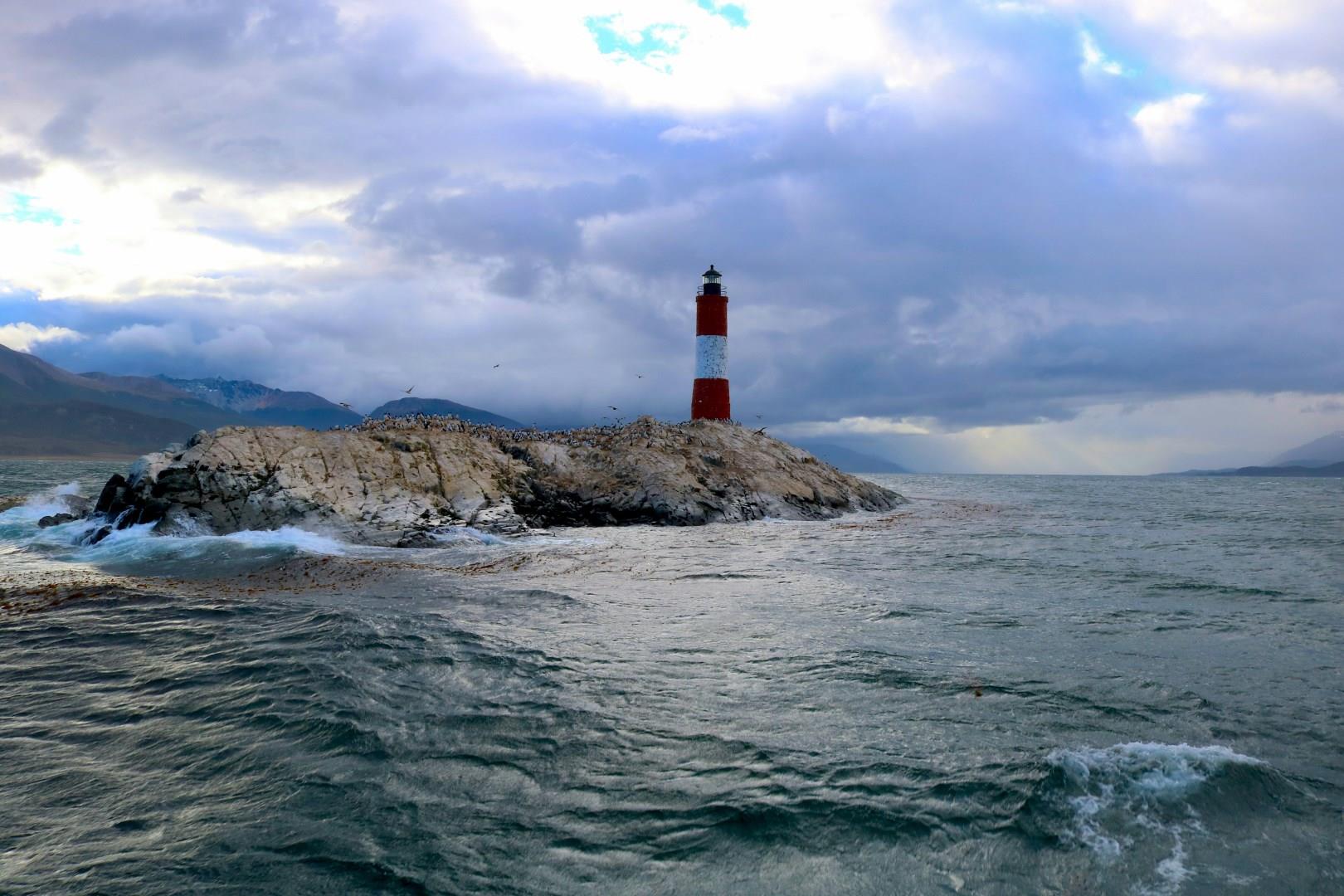
The Beagle Channel, at the southern tip of South America, stretches between Chile and Argentina and offers one of the most striking maritime landscapes in the world. This narrow passage, framed by snow-covered peaks and rocky islands, connects the Atlantic and Pacific Oceans. Its waters are calm compared to the open sea, which has made it a historic navigation route for explorers and sailors for centuries.

Mount Kilimanjaro
Mount Kilimanjaro, located in Tanzania, stands as Africa’s highest peak and an iconic symbol of adventure. This majestic stratovolcano rises 5,895 meters (19,341 feet) above sea level, making it one of the world’s most accessible high summits. Climbing Kilimanjaro offers a unique opportunity to traverse multiple climate zones, from lush rainforests and alpine meadows to the icy summit.
Côte d’Ivoire
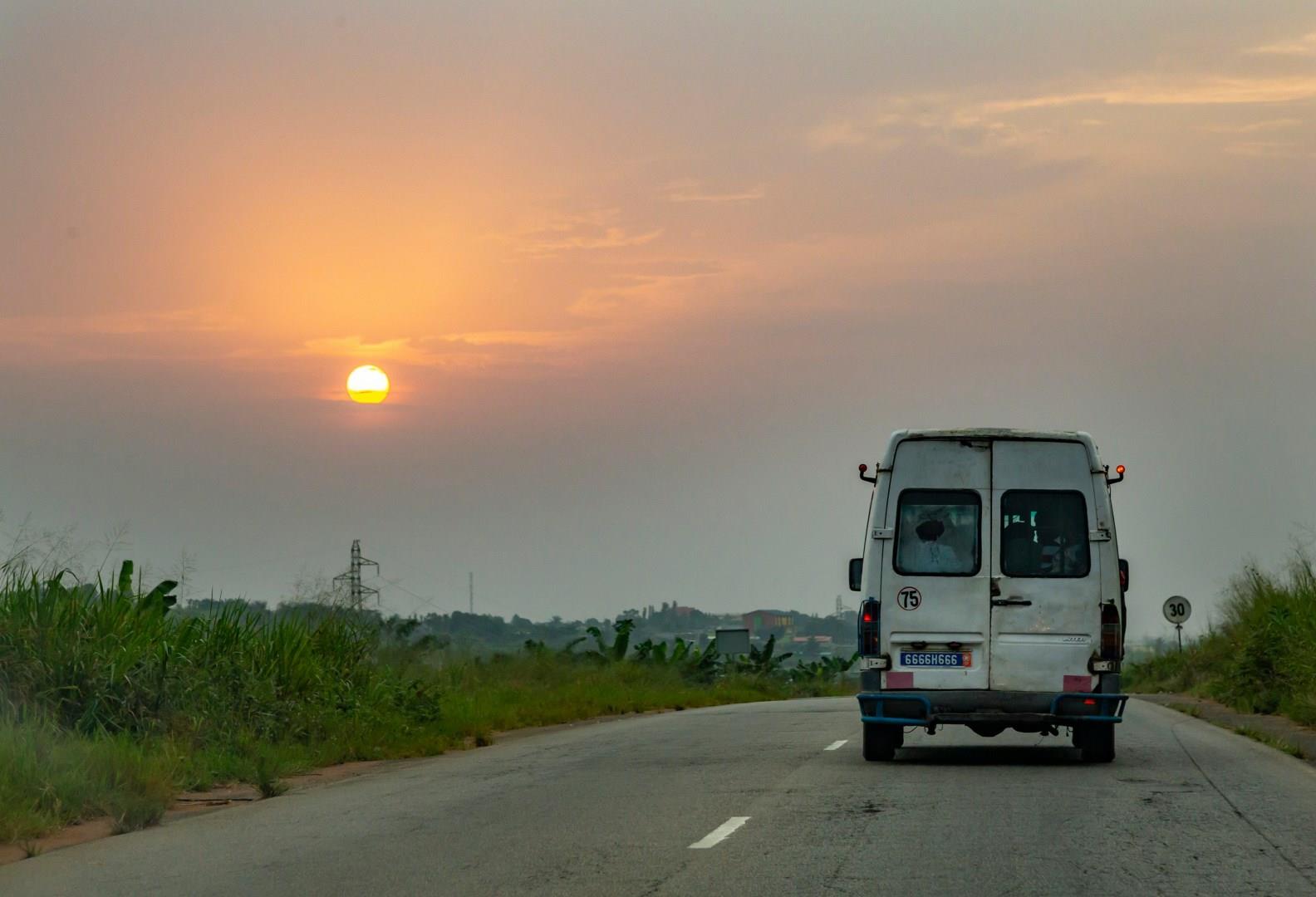
Ivory Coast, or Côte d’Ivoire, is a West African nation celebrated for its cultural diversity, vibrant cities, and scenic landscapes.
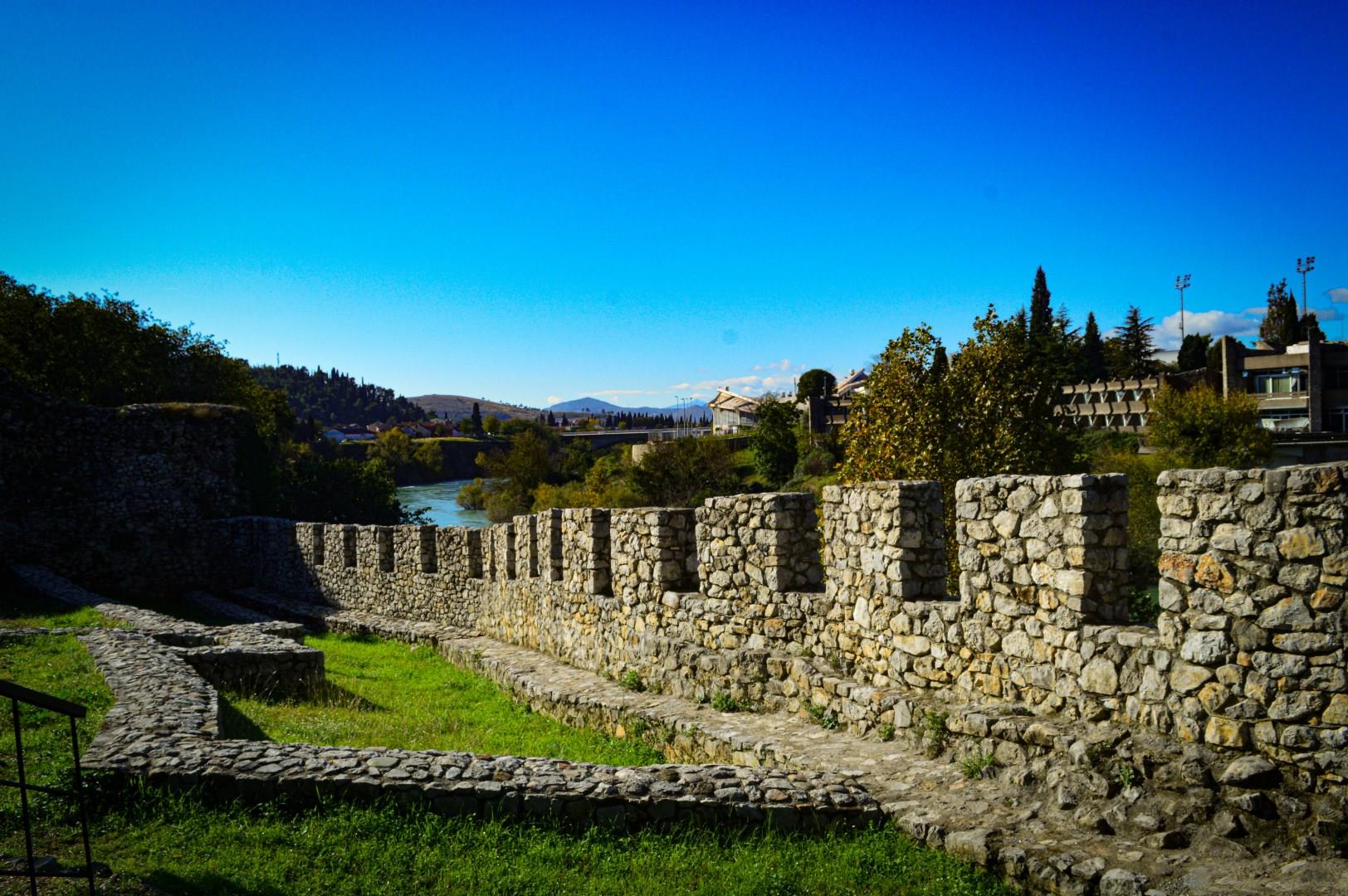
Podgorica
Podgorica, the capital of Montenegro, showcases the country’s contrasting landscapes and deep-rooted history. Although much of the city was rebuilt after World War II, traces of its Roman and Ottoman past still remain. Visitors can explore the ruins of Doclea, a Roman settlement just outside the city, where surviving columns and mosaics give a glimpse into life nearly two millennia ago.
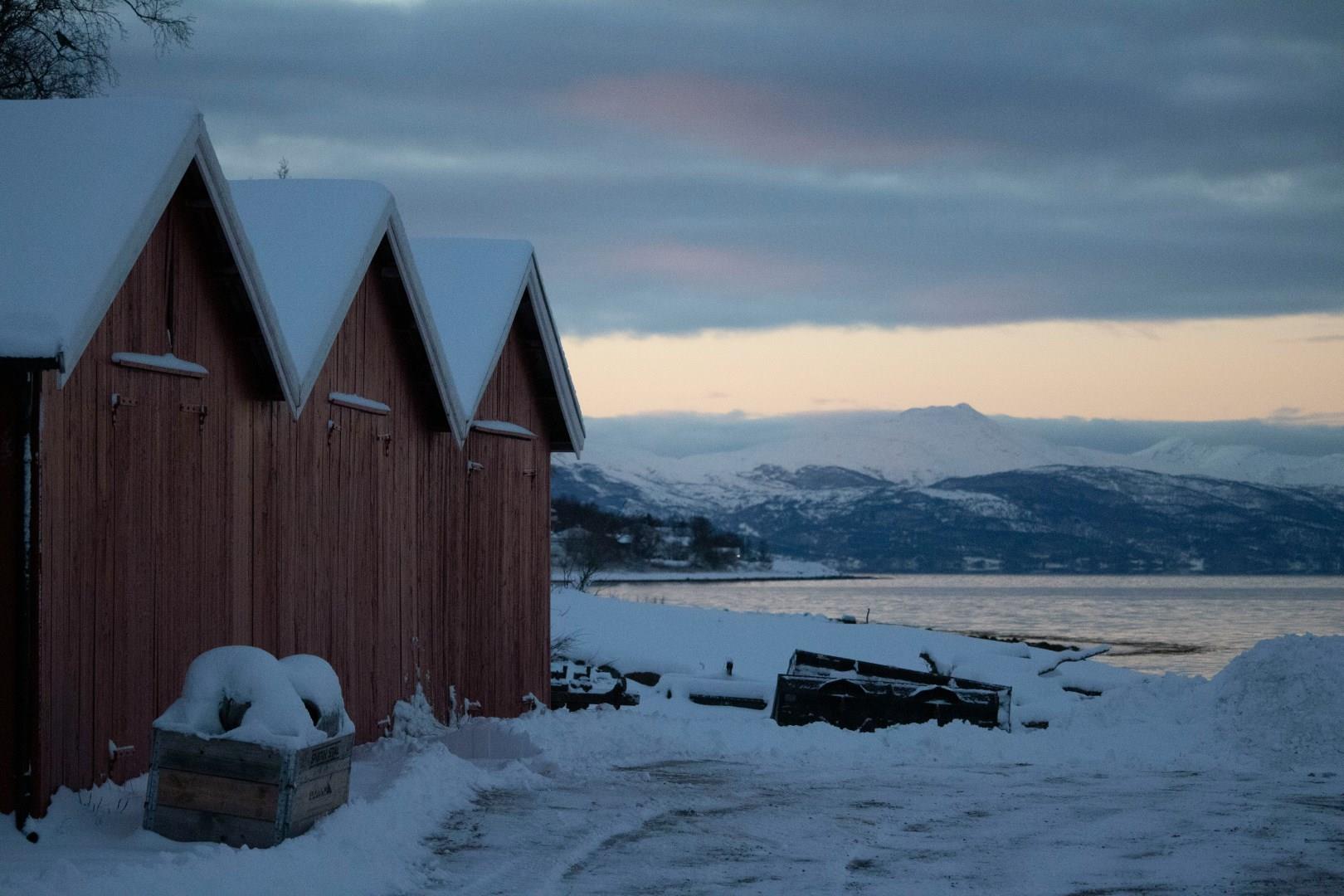
Narvik
Narvik’s most striking features is its natural setting. The town sits between steep fjords and rugged mountains, making it one of the few places in Norway where visitors can ski with ocean views. Narvikfjellet, the local mountain resort, operates in both winter and summer. During the colder months, it's popular for alpine skiing and northern lights viewing; in summer, the gondola runs for hikers and photographers eager to take in views of the Ofotfjord from the summit.