Coffee Axis
Nestled in the heart of the Andean mountains, Colombia's Coffee Region, or “Eje Cafetero,” is a lush tapestry of rolling hills, fertile valleys, and towering wax palms. This UNESCO World Heritage-listed landscape is more than just the epicenter of Colombia's coffee production—it is an invitation to explore a culture steeped in tradition, warmth, and a deep appreciation for the natural world.

Jost van Dyke
One of the four islands that make up the British Virgin Islands, Jost van Dyke is a Caribbean paradise known for its white sand beaches, turquoise sea pools, and marinas filled with yachts.

Interlaken
Nestling cozily beneath the legendary triad of the Eiger, Mönch and Jungfrau mountains, Interlaken, 570 meters above sea level is a wondrous health resort and an international favorite. The superb mountainous scenery and gentle climate are ideal venues for virtually every leisure activity, all year round.

Granada
Granada, nestled at the foot of the Sierra Nevada mountains in southern Spain, is a city where history and culture converge in a mesmerizing blend. The jewel of Granada is the Alhambra, a stunning palace and fortress complex that dates back to the 13th century. This UNESCO World Heritage Site is a testament to the city's Moorish past, showcasing intricate Islamic art and architecture.
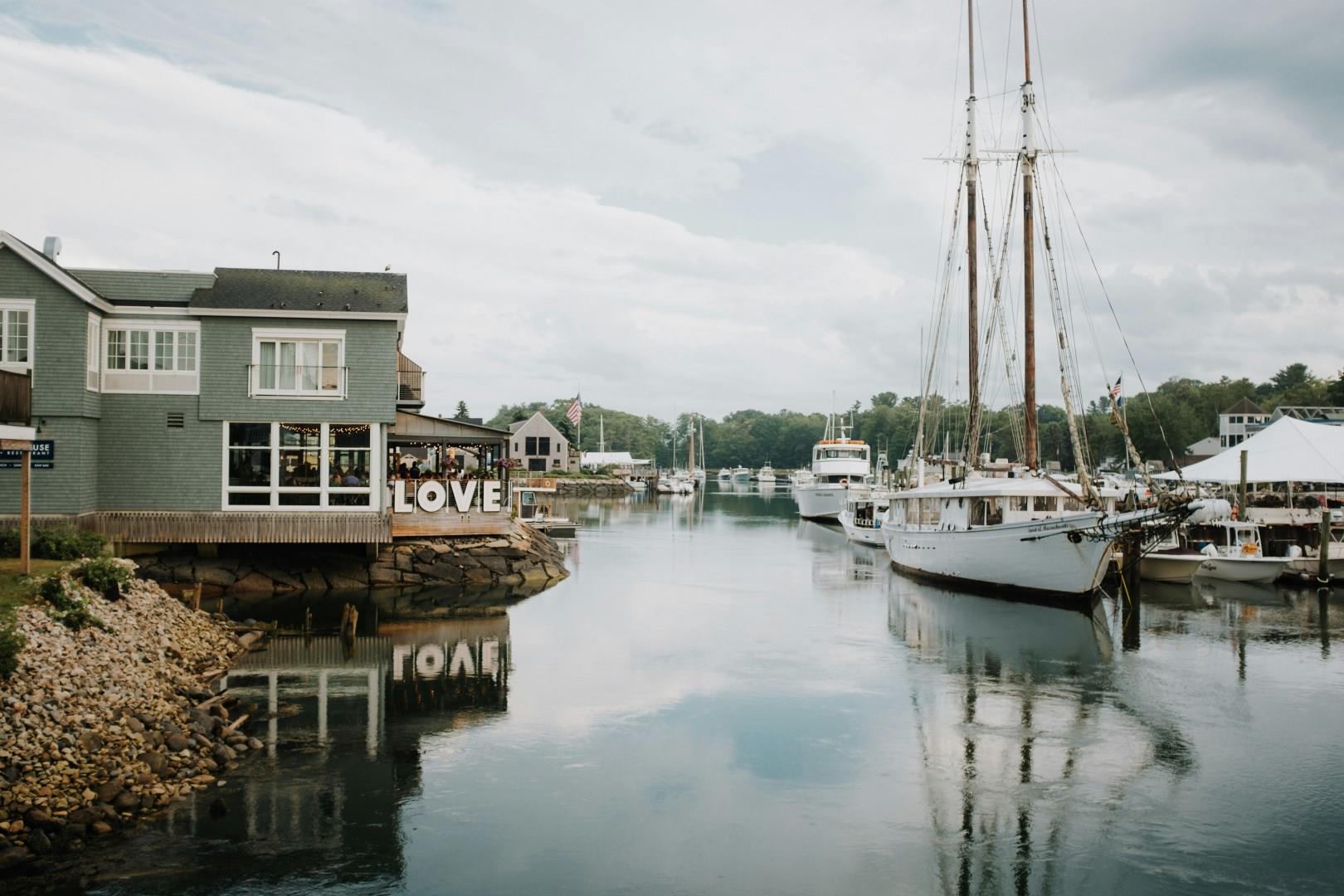
Kennebunkport
Kennebunkport is a small coastal town with a long maritime history and a character all its own. Originally settled in the 1600s, it grew as a shipbuilding center before becoming a quiet summer escape. Today, its working waterfront meets charming streets lined with boutiques, historic homes, and small galleries. Dock Square, the town’s walkable heart, is where visitors can browse local crafts, sample Maine-made ice cream, or pick up a hand-carved wooden buoy as a souvenir.