
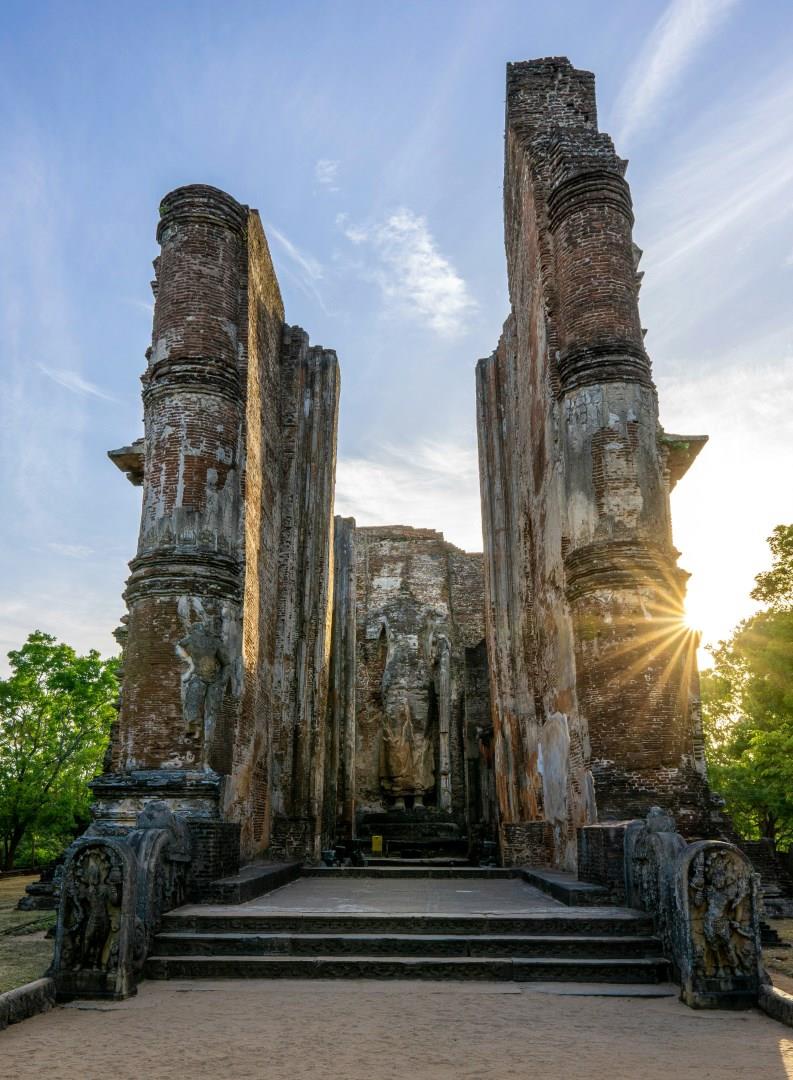
Polonnaruwa
Polonnaruwa, located in Sri Lanka’s North Central Province, served as the island’s capital nearly a thousand years ago. Today, it offers one of the most extensive and well-preserved archaeological sites in South Asia. Visitors can walk among the ruins of royal palaces, Buddhist monasteries, and intricately carved stone temples. One of the highlights of Polonnaruwa is the Gal Vihara, a group of colossal Buddha statues carved directly into granite.

Cusco
Cusco once served as the heart of the Inca Empire, and that legacy still shapes every corner of the city even as it serves as a gateway to Machu Picchu. Outside the historic center, the ruins of Sacsayhuamán overlook the city from a nearby hilltop. This ceremonial complex is best known for its massive zigzag stone walls, some weighing over 100 tons. During the Inti Raymi festival in June, thousands gather here to reenact ancient Andean rituals.

Melk
Nestled along the south bank of the Danube, this historical Austrian city bursts with charm. A favorite stop on European river cruises, the city's most famous attraction is Melk Abbey, which dates back to the 11th century. The original Benedictine structure was lost to fires and foreign invasion, then rebuilt during the 18th century in lavish Baroque style, including a library and inner church covered in magnificent frescoes and gilded fixtures.

Baden-Baden
Nestled in the foothills of the Black Forest, Baden-Baden is Germany's ultimate spa destination, famous for its luxurious thermal baths and charming Belle Époque architecture. This elegant town, whose name literally translates to "Baths of Baden," has attracted visitors seeking relaxation and rejuvenation for centuries.
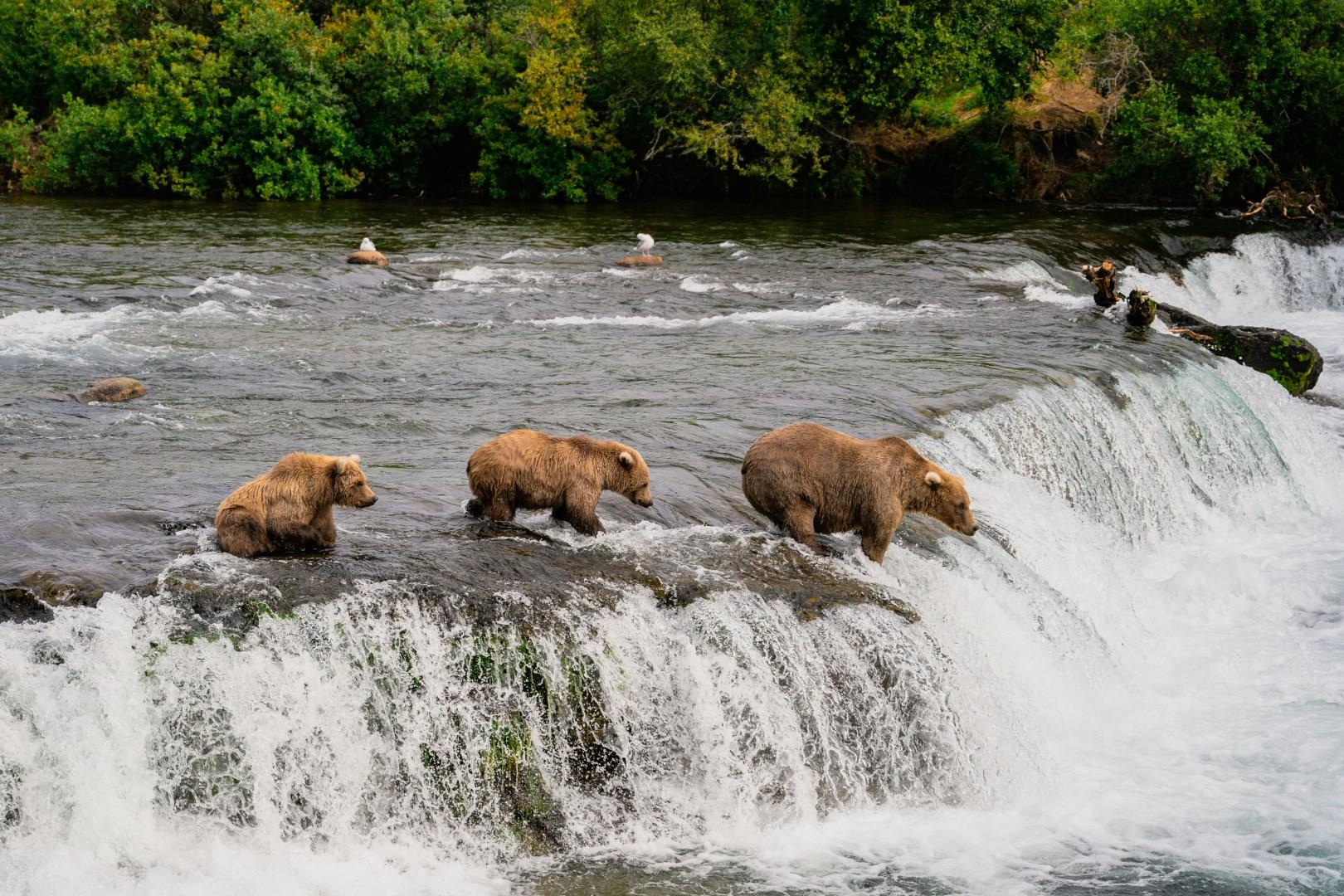
Katmai National Park
Katmai National Park and Preserve lies along Alaska’s remote Pacific coast, shaped by volcanism, glaciers, and deep time. The area gained prominence after the 1912 Novarupta eruption, one of the largest volcanic events of the 20th century, which transformed the landscape and led to the creation of the Valley of Ten Thousand Smokes.
